At KU, Lauryn Callis is finding new ways to tell her story
She came to KU for a master’s in Indigenous Studies.
Along the way, she's found opportunities to explore storytelling, museum work, creative expression and her own connection to her heritage.
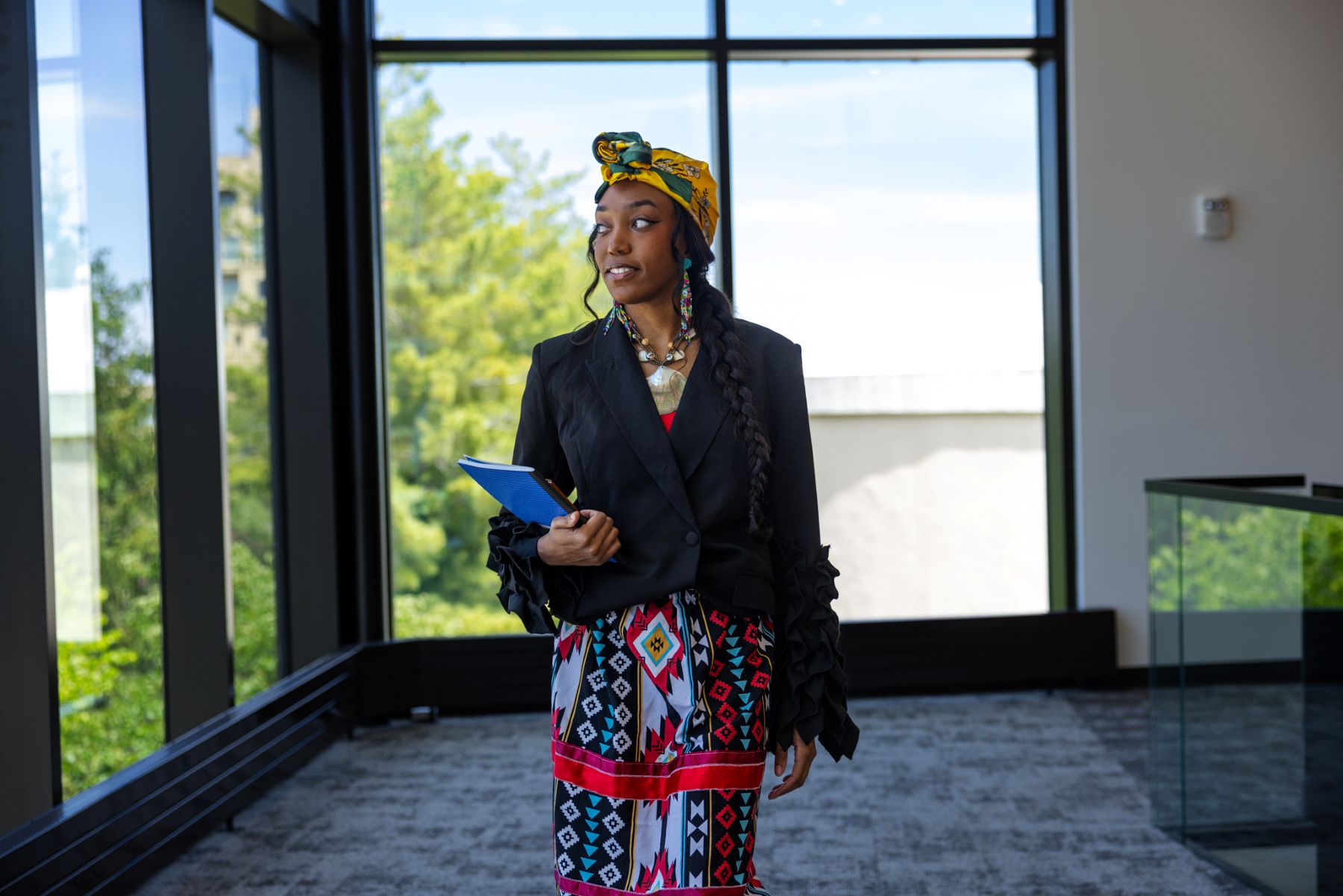
When Lauryn Callis took her first Indigenous Studies class as a freshman at Haskell Indian Nations University, she didn't expect it to change the direction of her life.
The class, taught by Dr. Daniel Wildcat, a longtime leader in Indigenous education, was her first exposure to Indigenous Studies. But something clicked.
A citizen of the Muscogee (Creek) Nation and Cherokee Nation, Callis hadn't grown up closely connected to her Indigenous culture. That connection had been lost over recent generations, and she was the first person in her family to attend Haskell.
Through that first class, she began to see another part of her family history coming back into focus.
"It just felt like the wheels were turning. I was returning to a part of my family that was missing," Callis said.
That realization eventually led her to the University of Kansas, where she's pursuing a master's degree in Indigenous Studies and bringing together the interests that have shaped her along the way: culture, community, self-expression, creativity and storytelling.
Indigenous Studies at KU: A place for all her interests
Callis arrived at KU through a connection that started at Haskell. Representatives from the KU Bridges Program regularly visited the Haskell Tommaney Library, where Callis would see them talking with students beneath a KU flag.
"It planted a seed in my mind," she said. By the time she was ready for graduate school, she felt comfortable and supported in taking the leap.
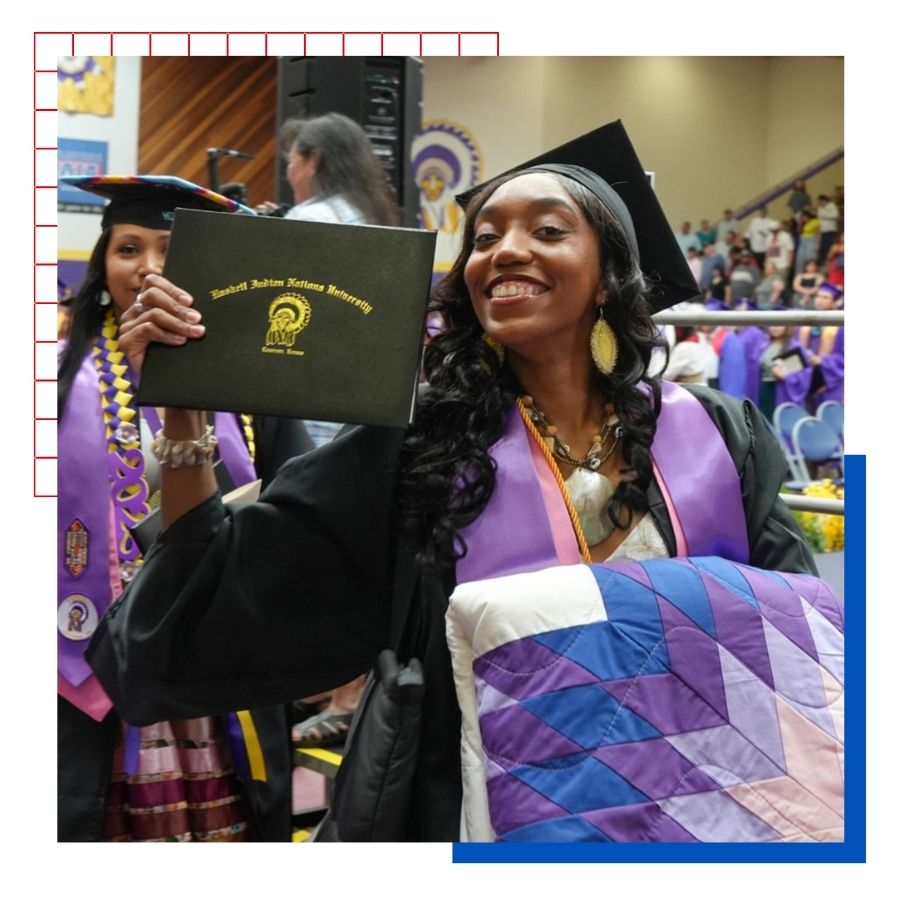
At Haskell, Callis earned an Associate’s Degree in Communications and a Bachelor’s Degree in Business Administration. At the time, she chose her majors because they felt broadly applicable while she figured out what she wanted to do.
But her interests continued to pull her toward creative work and Tribal communities.
"I want to be able to creatively be involved with Tribal organizations and Tribal communities," she said. "And Indigenous Studies is the perfect place to learn those skills."
That interdisciplinary approach and freedom to explore has become one of Callis' favorite parts of graduate school.
Her coursework has allowed her to explore a wide range of interests, from cultural revitalization and food sovereignty to creative media. In her Indigenous Issues course, for example, students could shape their work around topics that interested them. Callis has also explored her interest in film through an acting class, where she learned about directing and acting before writing, filming and casting her own commercial.
"I want to go beyond one little bubble," Callis said. "I’d like to continue to learn everything if I can."
Turning research into stories
The flexibility of KU's Indigenous Studies Master's Program allows students to shape their graduate work around their interests. Students can complete the degree through either a traditional thesis or a portfolio that brings together research, coursework and creative work.
Callis chose the portfolio option.
Her portfolio explores the intersection of Black and Native histories in America, including shared histories, solidarity and the Civil Rights Movement. Rather than presenting her work solely as a written thesis, Callis is using the portfolio to explore different ways of telling and sharing those stories.
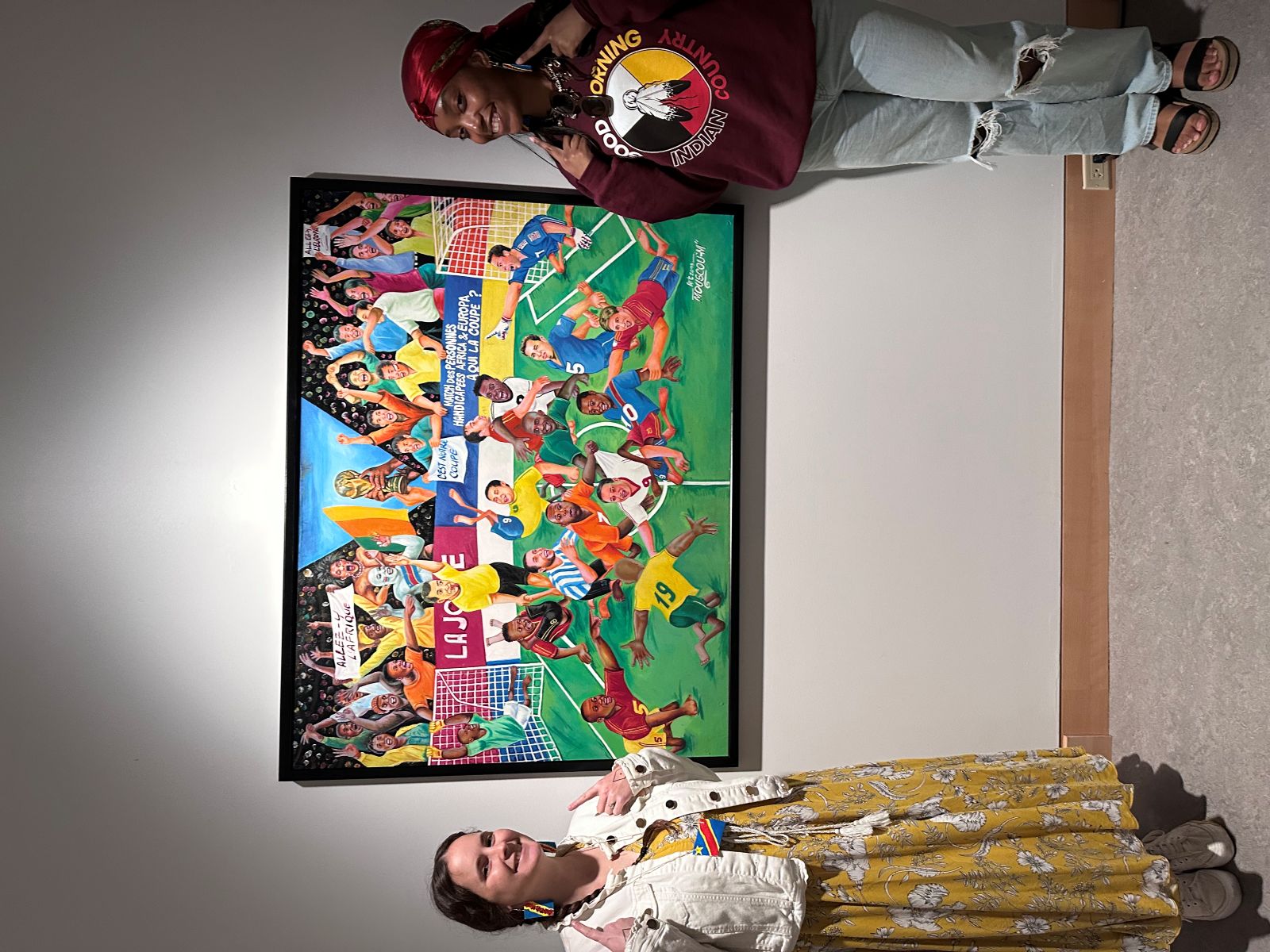
One of those projects will be a museum exhibit, planned for May 2027 at the Haskell Cultural Museum.
For Callis, the creative format makes sense. Storytelling was part of her education long before it became part of her graduate work.
While studying at Haskell, Callis began a YouTube channel called BlessedAfroIndigenous to share what she was learning about Indigenous history and culture.
She felt a responsibility to share information she hadn't been able to find when she was growing up. She wanted to reach Indigenous people who might not have access to higher education, as well as non-Native audiences who wanted to better understand the history of Native Nations.
"That was the start of my storytelling in digital media and film," she said.
What started as a personal project grew. By her junior year, people knew her as "the girl with the camera." She began getting opportunities to interview people, travel and work with organizations.
Taking storytelling to the next level
Today, she continues to see digital storytelling as a natural part of who she is.
"I've always really loved digital media, and I love YouTube," she said. “I think it's such a beautiful way to be able to connect with people all over the world.”
At KU, that interest has opened even more doors.
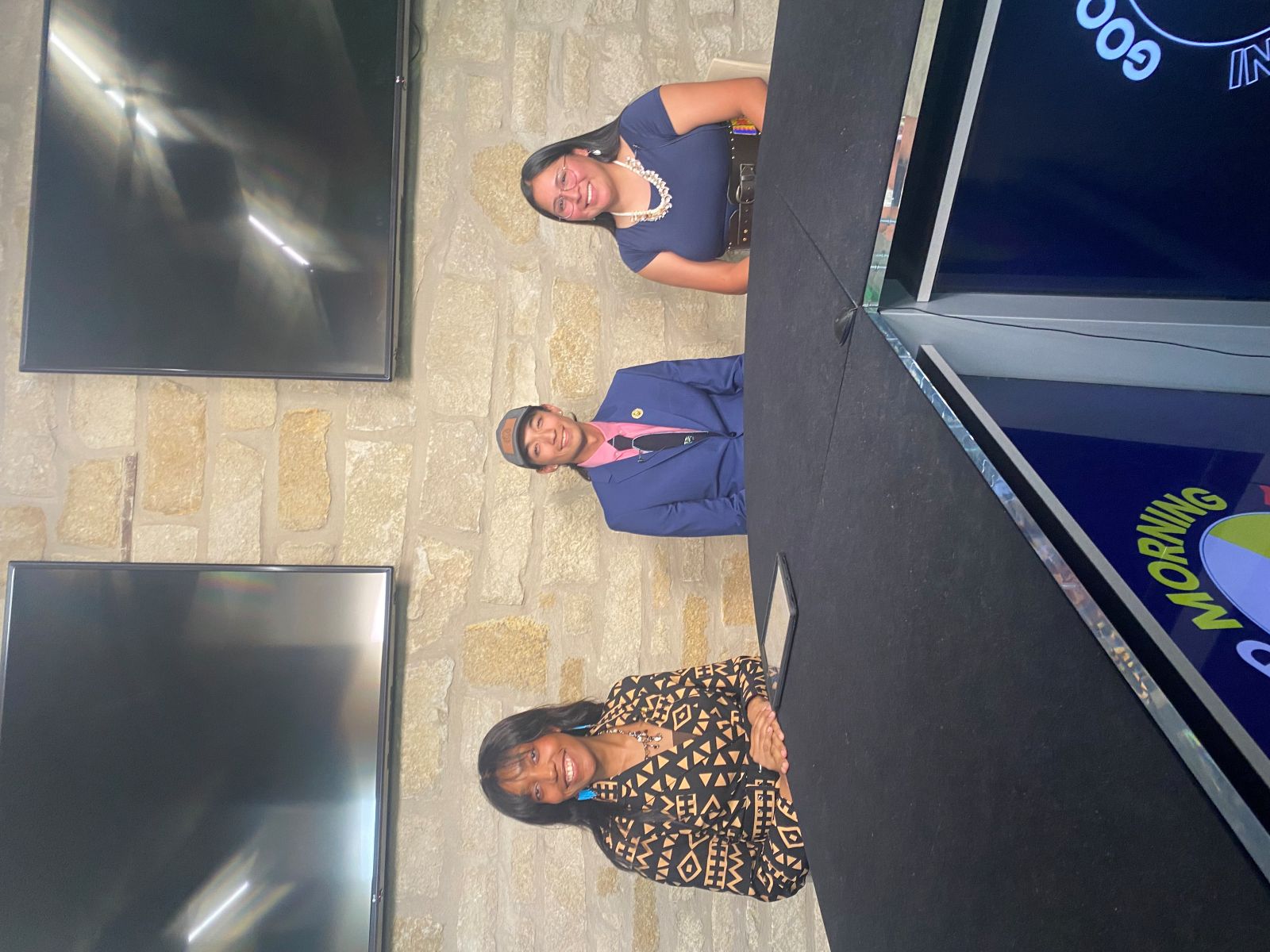
Callis found another way to combine her interests through her work with Good Morning Indian Country, a news show produced in the School of Journalism. She was assisting with camera operation and sound engineering when an opportunity to step in front of the camera came up unexpectedly.
Another student was absent, and the team asked Callis if she'd put on a suit jacket and go on camera. She said yes, and she never looked back — Callis now serves as co-anchor of the program.
And there's more. She recently traveled to her hometown of Wichita to interview people at an Indigenous Urban Native Health Summit. She was also selected as an Indigenous Journalists Association Fellow, one of 11 chosen from across the U.S. Through the fellowship, she traveled to Portland, Oregon, this summer, where she created content and connected with journalists, organizations and communities from around the country.
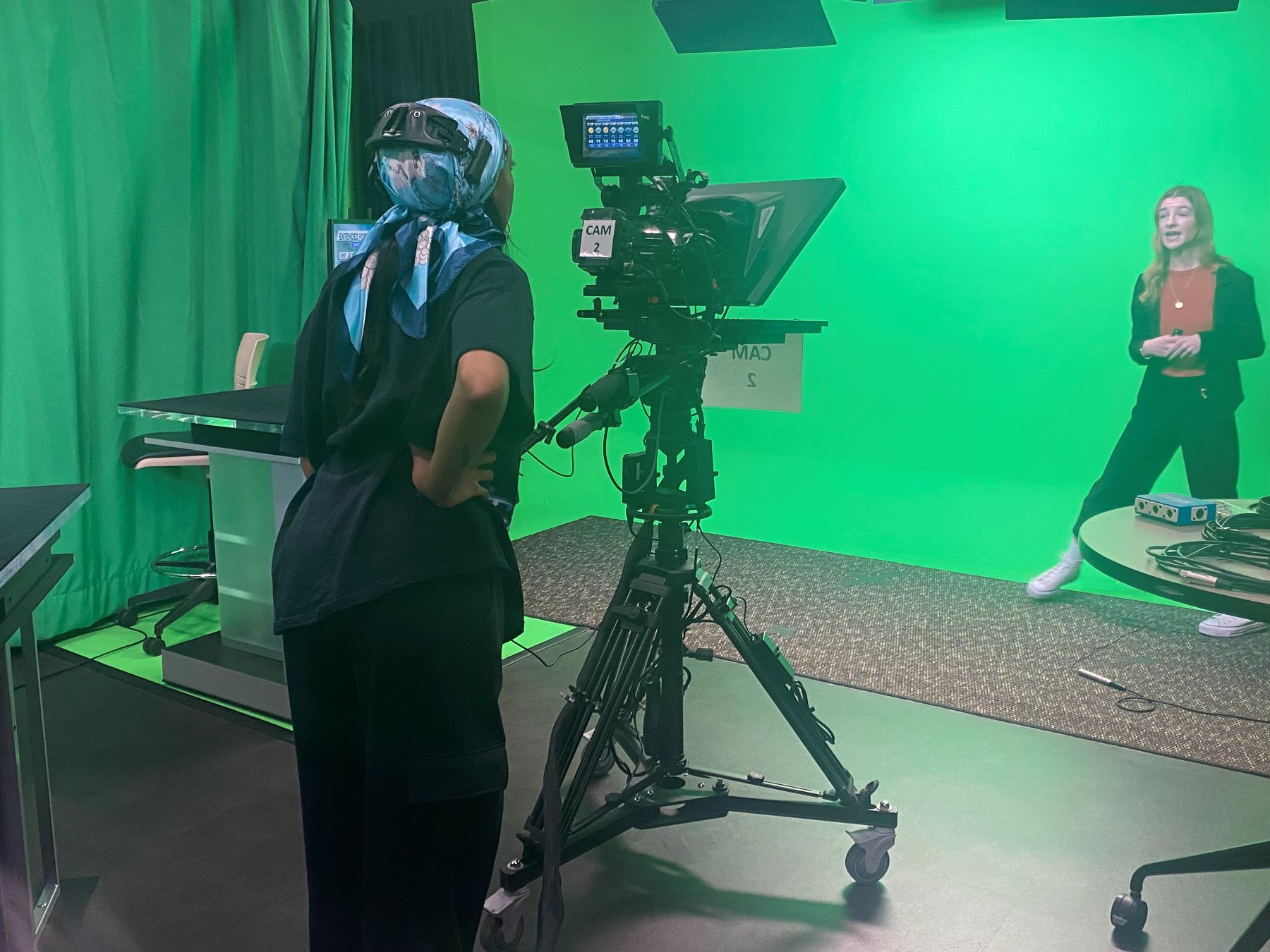
The opportunity came through Melissa Greene Blye, who shared the fellowship with the Good Morning Indian Country team.
"I wouldn't have had that experience if I hadn’t gone to KU," Callis said.
And her work has extended beyond journalism and digital media.
Learning through community
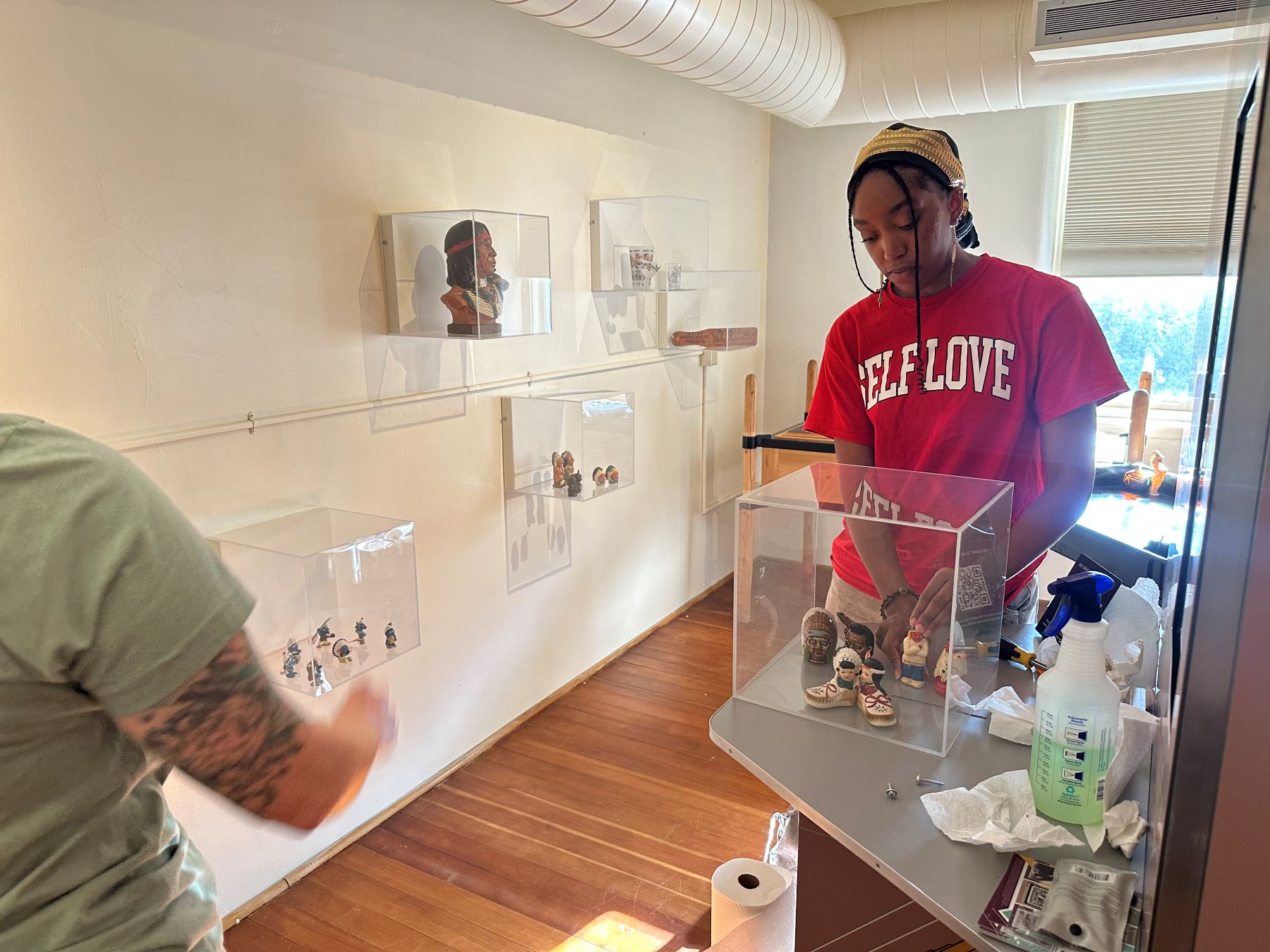
As a public practice intern at the Spencer Museum of Art, Callis has gotten a firsthand look at the role museums can play in connecting people with history, art and the community at large.
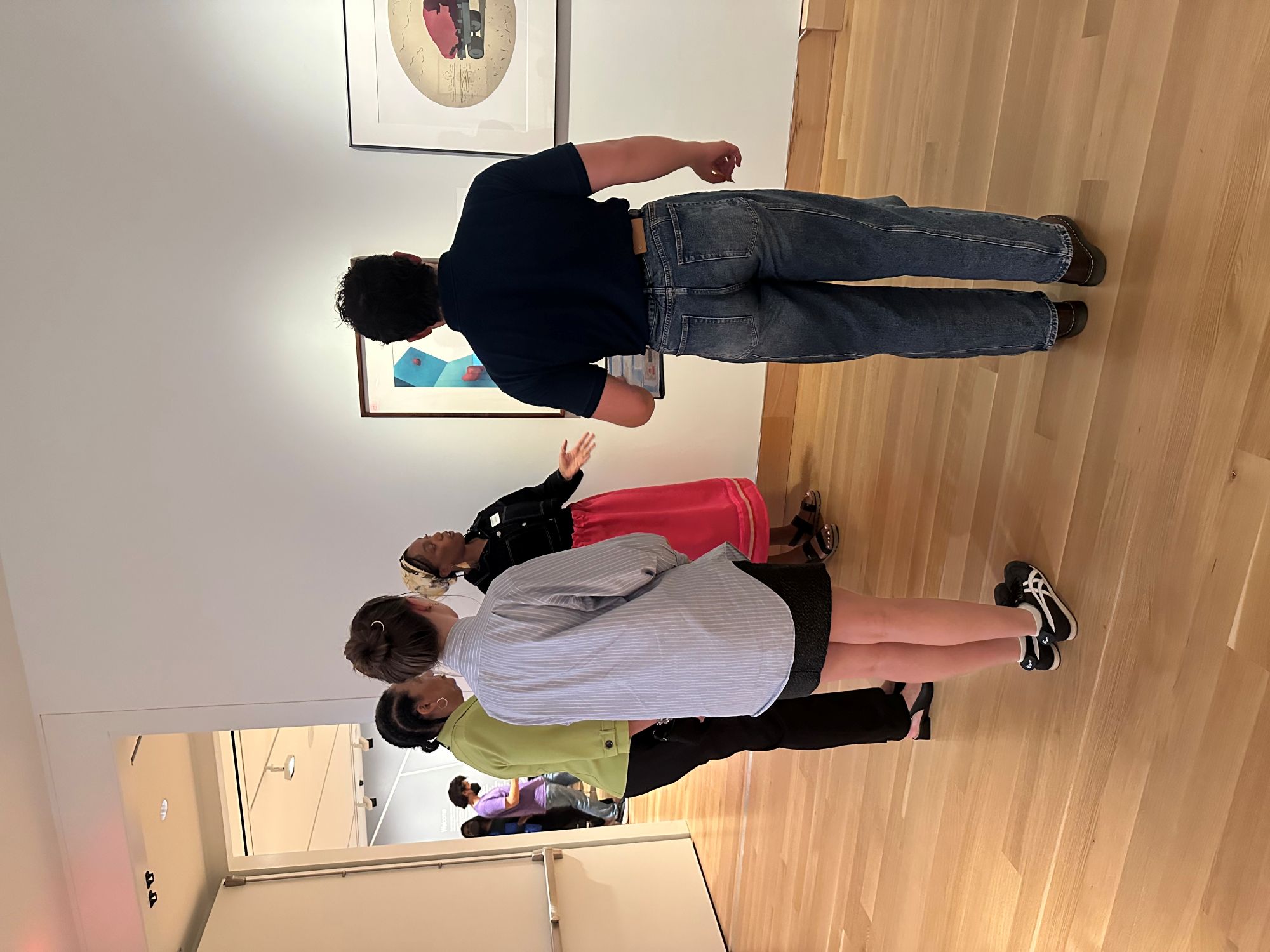
Her work at the museum focuses on public programming, collaborating with artists and helping plan events and other projects.
One project focused on repatriation, or returning sacred items to the communities from which they came. Callis has been working with the Prairie Band Potawatomi Nation as part of that effort.
Before her internship, Callis said she didn't know much about museums. Now, she's learned to see them as places for community, emotional connection and a celebration of history.
"Museums are a great archive to ensure that history lives on," she said. “But there are so many other benefits that I’ve learned about as an intern. Emotional intelligence is a big one. Museums are an important outlet for emotion, and they are such a calming and relaxing place to be.”
An exploration of living history
As Callis has learned more about her Indigenous heritage, she's also found ways to connect with her culture through movement, fashion and tradition.
At Haskell, she became interested in Indigenous fashion and the ways clothing can carry cultural meaning. That interest has continued at KU, where she designed her own Southern Cloth dress for the KU Powwow.
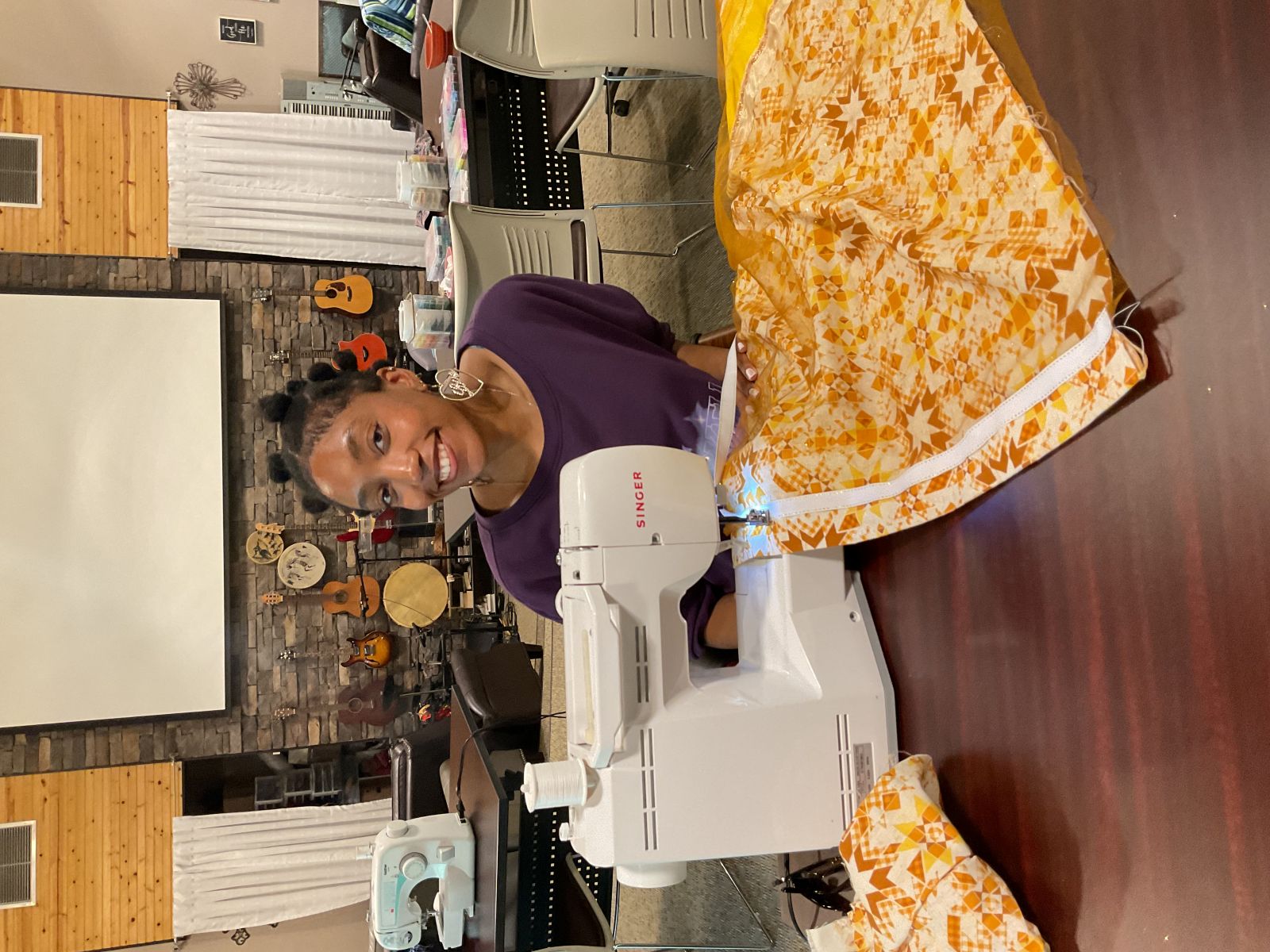
She also became the first powwow dancer in her family. At the April KU Powwow, she had her special, a featured dance honoring her as an individual dancer.
“It is important to enter the powwow circle in a good way by giving what you can to those individuals who've helped you along your journey,” Callis said. It was an experience that felt especially meaningful, as her family traveled from Kansas City to dance behind her and support a milestone in their family lineage.
For Callis, learning the traditions of powwow dancing has become another way to build a connection with a part of her heritage she is still discovering.

Now, she's looking forward to learning jingle dancing and continuing to explore Indigenous fashion and dance.
Making Indigenous stories more accessible
After graduation, Callis hopes to build a career focused on community and youth. She can envision working in cultural programming or at a Tribal museum, speaking publicly or leading workshops that help young people learn to use cameras and develop their creative skills.
"I feel like we're so isolated nowadays," she said. "We just all need each other."

Callis hopes her work can help other Afro-Indigenous young people feel more comfortable in their identities and recognize their own abilities. She’s already begun that work thanks to this summer’s KU’s Native Storytelling Workshop, where she spoke to high school attendees from across the country.
She's continuing to find new ways to share what she discovers, including opportunities to interview community members and gather their stories. "My focus is going to be on community," said Callis. "It's always what keeps my fire lit — helping communities and bringing us all together."
That focus give her a clear purpose for the stories she hopes to tell.
"I love storytelling, but I want to make our stories accessible to anybody, to any age, to any background," she said.