How my internship made me more empathetic
Internships can help students build skills and gain experience, but they can also change the way they see themselves and others.

As a business administration student in the KU School of Business, Ella Hayes brought her hospitality background and transfer student experience from Johnson County Community College to KU, where she stays busy exploring opportunities both inside and outside the classroom.
From participating in the Catalyst Program and Women’s Business Club to pursuing minors in entrepreneurship and international business, she's actively building the skills and experiences that support her future goals. With six years of experience in hospitality and aspirations of opening her own café and wine bar, Ella was eager to take the next step in her professional development.
Finding the right internship took persistence, relationship-building and a willingness to ask for help. At The Elms Hotel & Spa, she discovered that one of the most important lessons she could take away wasn’t just about strategy or management. It was about empathy.
In this Jayhawk POV, Ella reflects on how an internship experience challenged her assumptions, shaped her perspective and helped her grow as a leader.

The art of change
I quite like change. Change for most means uncertainty, chaos, and a temporary state of discomfort. Between colleges, relationships, homes, and grief, I feel as if change gives me a great sense of relief.
Change is a curious path to new opportunities, and more importantly, a new start.
It is quite comforting to know that despite hardships, there will always be a way out if you are determined enough to seek your ambitions.
“Working Nine to Five”
“Success truly lies where preparation and opportunity meet”. Sean Hogan, a successful Kansas City leader, declared this mindset-alternating phrase to a group of KU students and working professionals, which I was lucky enough to attend.

It would be easier to say that my internship search was a job fair, a few quick applications, and a seamless transition into a 9-5.
It instead consisted of months meeting with mentors, setbacks and rejections, late nights staring at a computer screen, daily cold-call emails, and plenty of persistence.
It finally took a moment of weakness admitting I needed help for my best friend to introduce me to my future employer. I do not view this as a handout, but rather, a lucky introduction and a cumulation of diligence. The combination of skills and relationships I have inherited from my experiences ultimately led me to a summer of accelerated learning and growth.
It was during my 9-5 Internship at The Elms Hotel & Spa where I gained a deeper understanding of true empathy and how practicing this attribute is the cheat code to becoming a well-rounded leader.
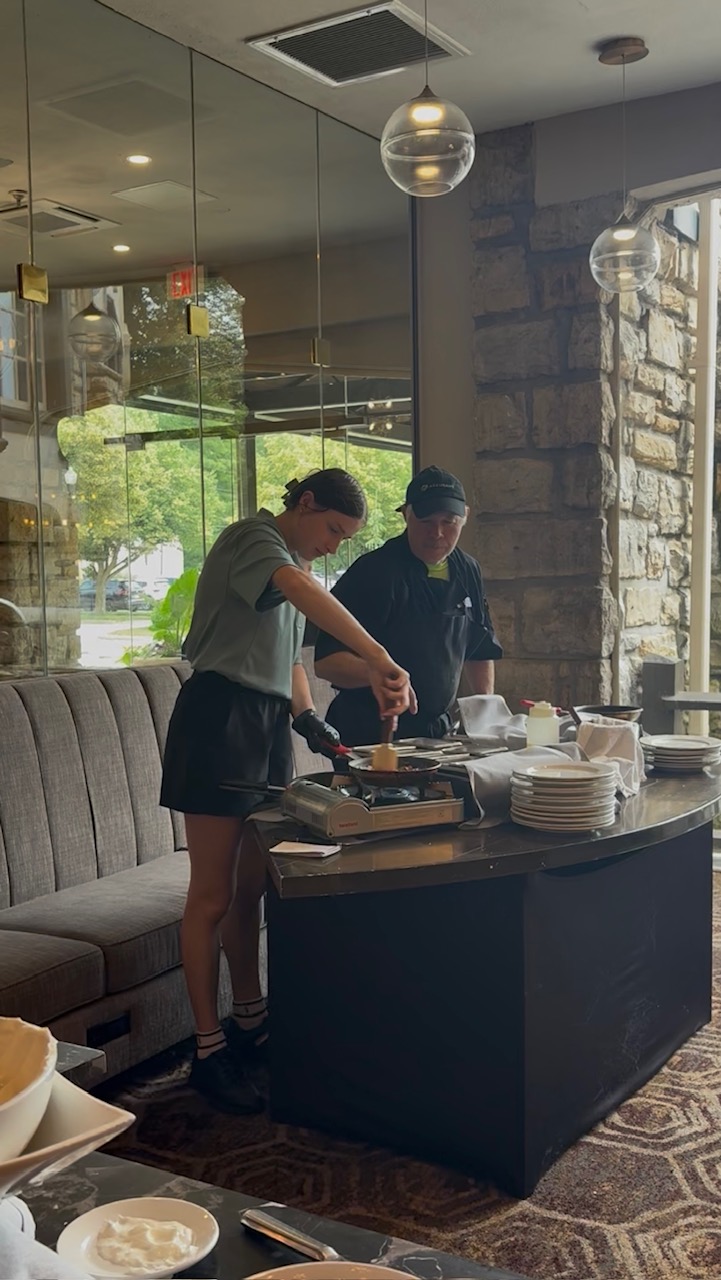
Who do you want to follow?
I was told by a wise mentor during my internship to find my management style. As I pondered this task, I thought back to my first semester at community college and an activity my Supervisory Management professor assigned.
Professor Gray told students to write down a list of all the leaders and managers who we enjoyed working under and all those we did not. He then asked us what attributes made up those admirable leaders and what traits we wished were absent.
The commonalities in leaders who I looked up to were those who truly listened, actively sought out to build deeper relationships than what is expected, and had a passion for whatever it is they did.
I noticed a pattern in the questions I chose to ask during my internship and networking events: relationships. Not to diminish what you know or how you contribute, but truly what is the purpose if it isn’t for the people?
Every successful team I have admired or been a part of leads back to the relationships between the people. Are they open-minded? Do they question why things operate the way they do? And above all, can a team stay together despite conflict and differences in perspective?
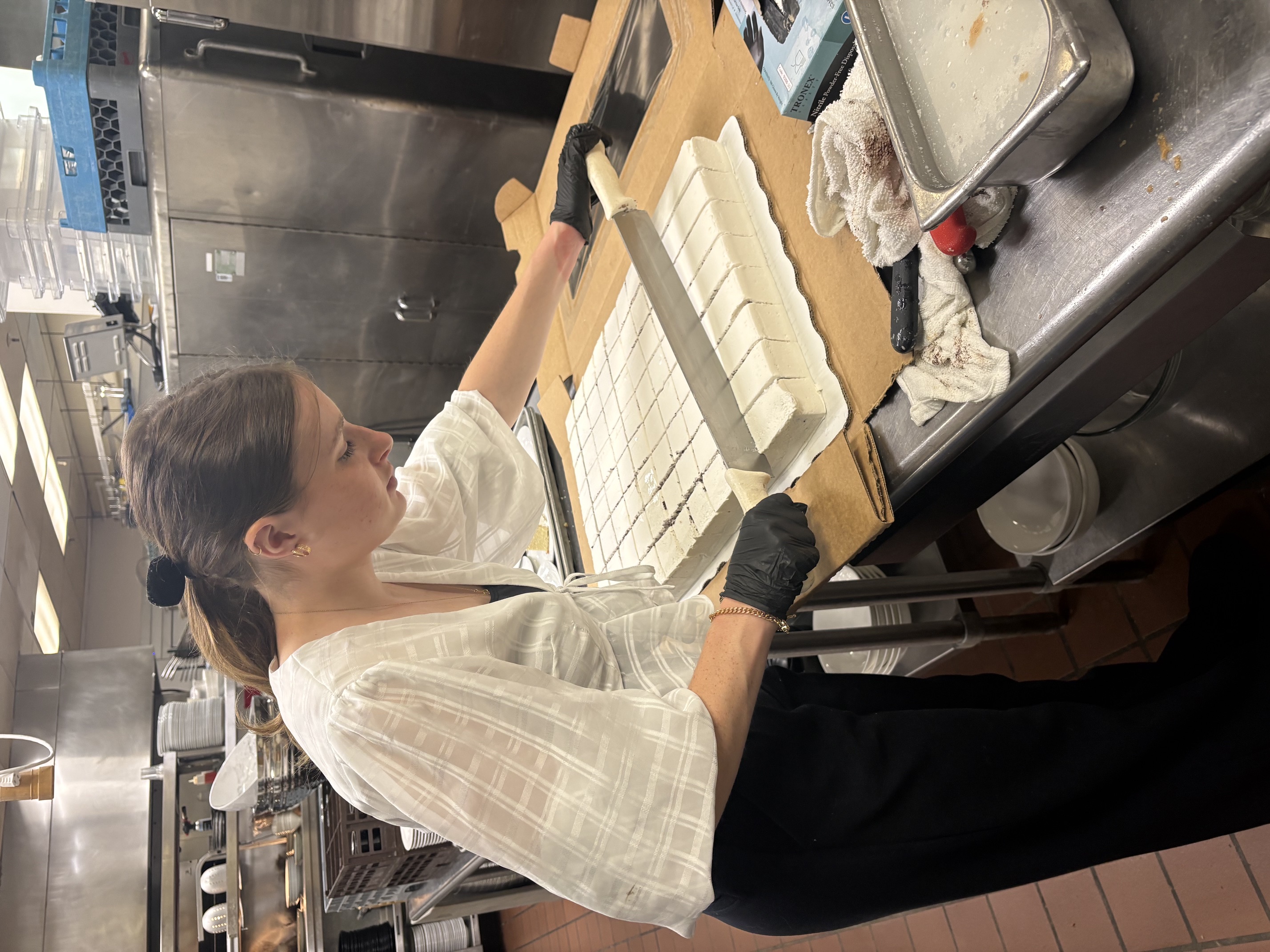
Lead how you want to be led
When I reflect to every connection of mine that crumbled-or every group of people that divided, I can always associate the decline with a lack of empathy on either end. Good leaders and good teams must know why they are doing what they are doing. It is impossible to be empathetic without the “Why?”.
Despite writing these notes freshman year, it took this summer of complex relationship-building to engrave this understanding in my brain. At my internship, as I code-switched from colleague to supervisor, the most demanding challenge was keeping my empathy from an employee’s perspective, while simultaneously attempting to fit the corporate mold.
Having now experienced both angles, I have not only seen why managers and employees do not always see eye-to-eye, but I learned how to actively build a bridge to a more cohesive workplace. If I have learned anything about leadership through my summer position, it is that true leaders do not act in self-interest, rather, they act in their team’s.
Associates make up the heart and soul of a company — so why are they not being involved in places where decisions are being made? Adopting this mindset as I stepped into my first managerial position allowed me to develop trust, a deeper understanding of why people say and do the things they do, and to build relationships beyond the status quo.

Do not do it for the ‘Gram
There will never be a “one solution fits all” as a leader. You simply cannot apply one management style to people with diverse backgrounds, personality types, and motivators.
Leaders are ubiquitous people that know the power of guidance and support is a catalyst to the growth of innovators. It is your job to intentionally delegate to individuals with sonder in mind.
The results I have accumulated from this practice have made me my most empathetic self. It has allowed me to navigate out of my comfort zone to understand others’ POV’s and thus, quickly adapt situationally.
I truly learned a plethora of knowledge by being open-minded and asking the questions others were fearful to ask. My advice to you: Stay curious, challenge ideas, and most of all, learn from others: you never know what paths they will lead you to.