Finding My Place in Tech: How KU Helped Me Grow into the Engineer I Wanted to Become
As a computer science major at KU, Sriya Annem learned that building a career in tech is about more than just code.
Through hands-on experience and leadership opportunities, she found clarity in a field that’s constantly evolving.
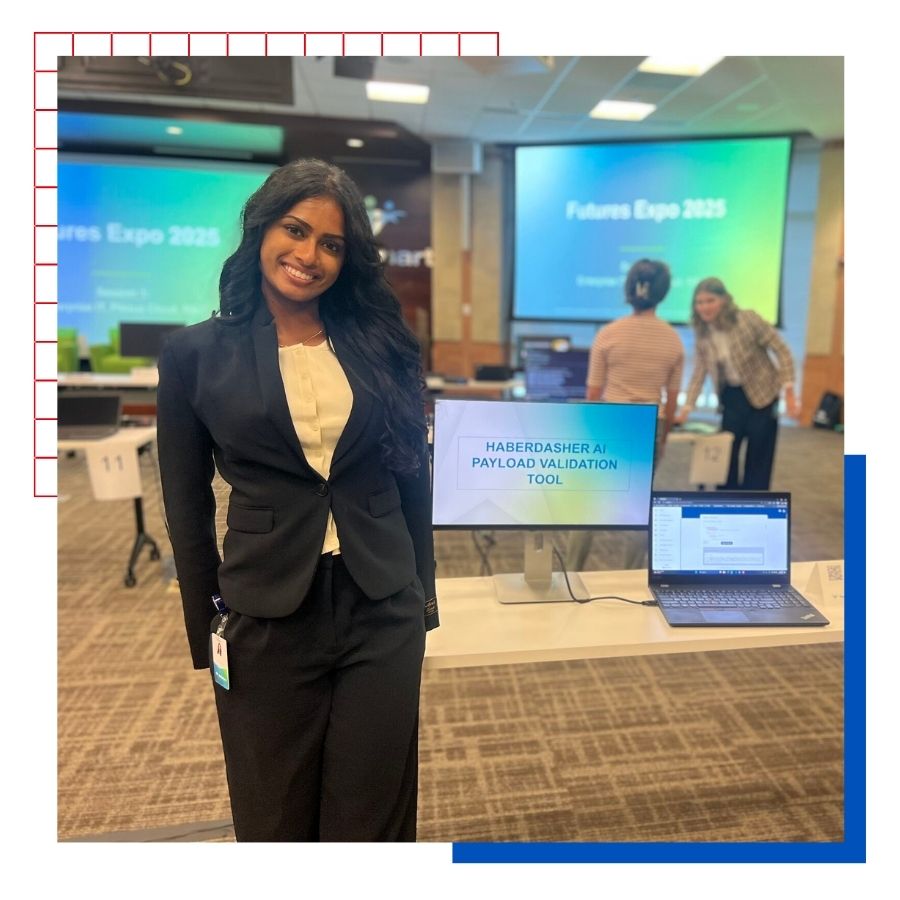
Sriya is a senior at the University of Kansas studying computer science and exploring the intersection of technology, strategy and business. Her time at KU has been defined by hands-on learning, including building AI-driven solutions during her internship at Netsmart and analyzing startups through UVF Crossroads.
These opportunities helped her develop adaptable skills and a practical understanding of how technology creates real-world impact.
As a KU SELF Fellow and member of Women in Computing, Sriya also strengthened her leadership and communication skills. From early career fairs to discovering purpose, belonging and direction at KU, she reflects on how those experiences helped her grow into the engineer she wanted to become.
Sriya shared her experience with us in her own words in this Jayhawk POV feature. Keep reading for her best advice on how to get a computer science internship, and how to find your place at KU and beyond.
Sriya Annem on Finding Her Place
When I first came to KU as a computer science major, I knew I wanted to work in tech, I just didn’t know what that path actually looked like.
I certainly didn’t imagine myself confidently walking up to recruiters, leading a student organization, or building software used by real clients. But somewhere between the career fairs, late-night debugging sessions, and the community I found here, things started to shift.
Where It Started: A Conversation That Changed Everything
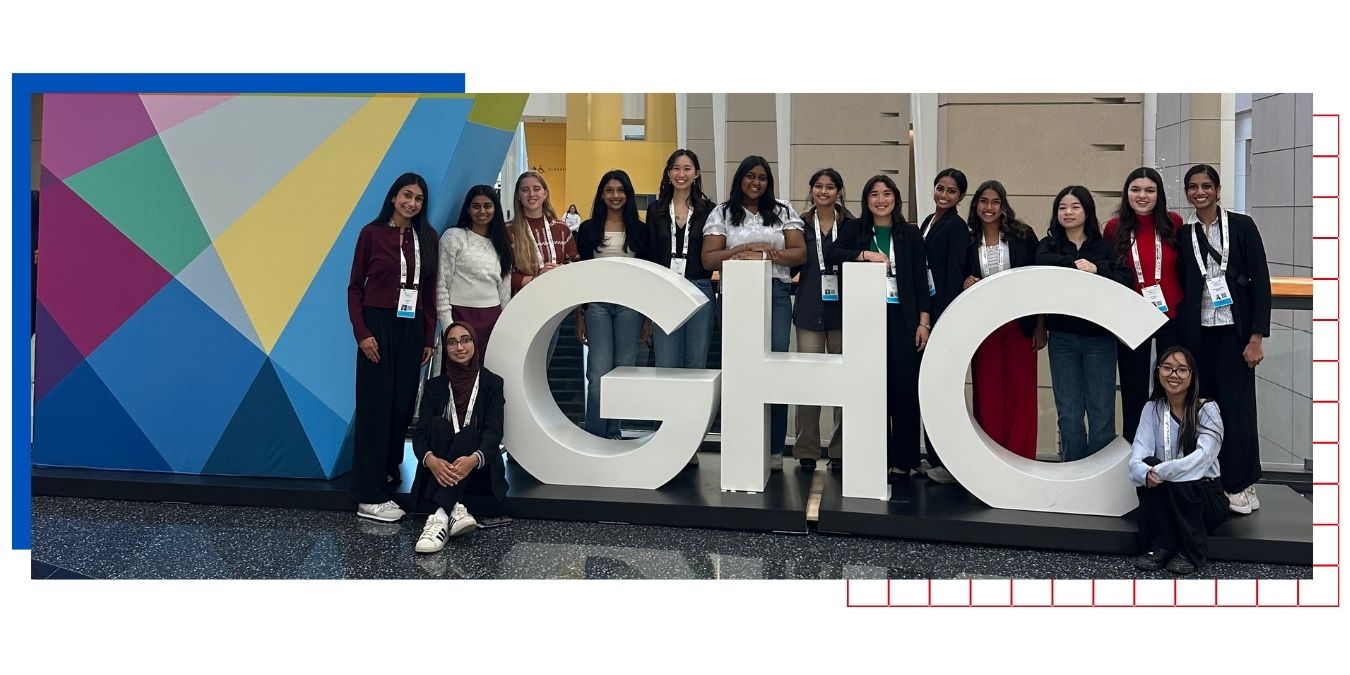
The KU Career Fair was one of the first intimidating moments of my college experience. I was a freshman with very little technical experience, but I still walked up to the Netsmart booth because something in me wanted to try.
They didn’t offer me a role, I wasn’t qualified yet, but they did offer me something better: genuine advice. They told me what classes to take, what skills to build, and what they looked for in future interns. I remember walking out of that arena thinking, “OK. I can work toward this.”
Around the same time, I joined Women in Computing. WIC gave me the confidence I didn’t know I needed. Being surrounded by supportive, driven women made the idea of a career in tech feel possible. We even hosted a Netsmart x WIC meeting, which was the first time I saw how professional relationships can grow from simple conversations.
I kept going to career fairs. I kept saying hi. And the next year, Netsmart remembered me.
That small moment, realizing someone recognized the work I’d been putting in, was when everything began.
Jumping Into My First Internship
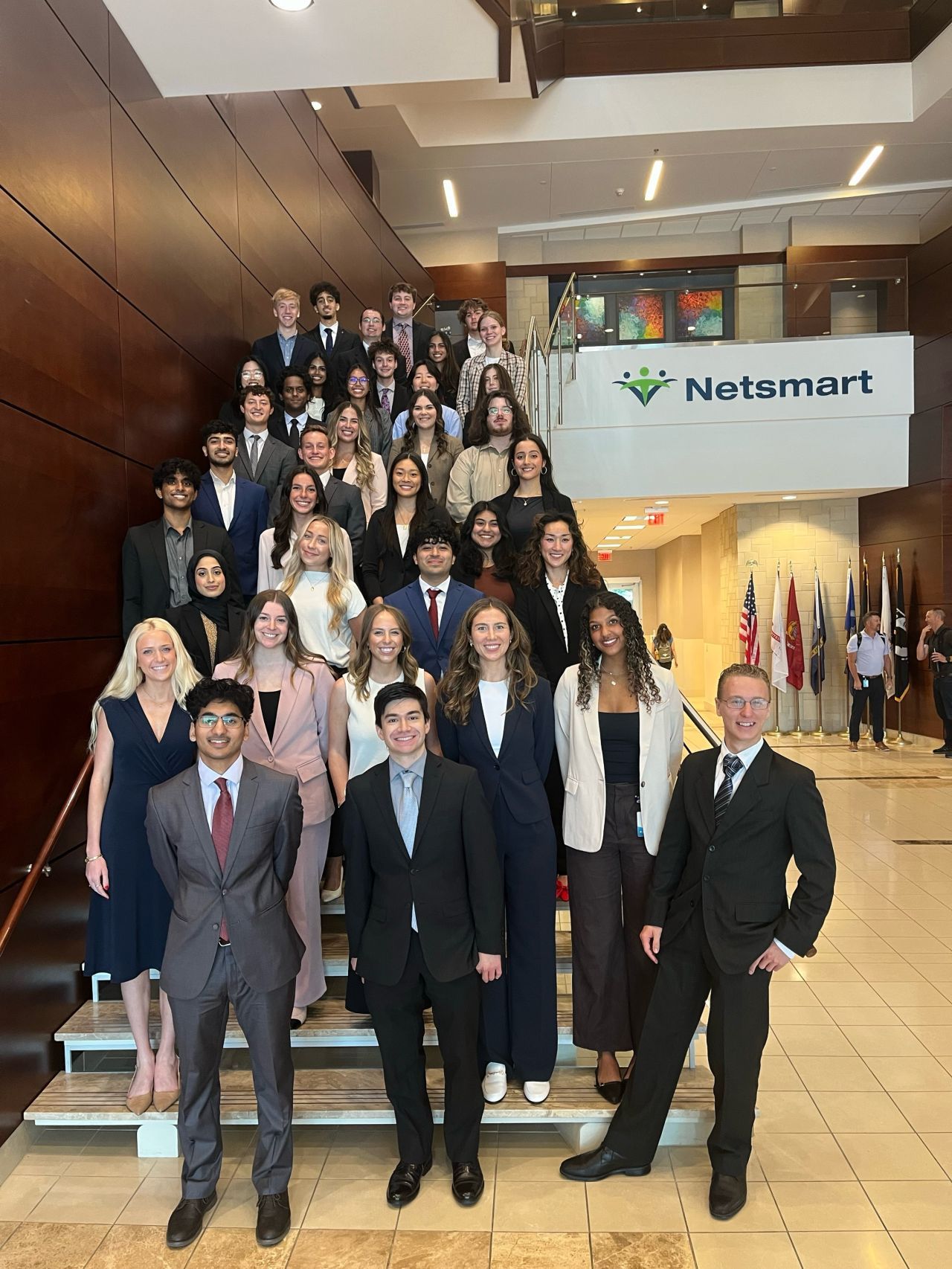
Getting the internship was exciting, but the first week was humbling. I suddenly found myself working with systems and databases I had never touched before, writing in a programming language I’d never used.
It was the first time I truly learned what it meant to be a software engineer: you don’t know everything on day one, and you’re not supposed to.
I had an incredible mentor, but there was still a lot of trial and error. I asked so many questions. I broke things. I fixed them. Slowly, the unfamiliar began to feel familiar.
By the end of the summer, something clicked. I not only finished my project early, I even had the chance to work on the frontend, which wasn’t originally part of my assignment. That moment changed the way I saw myself. I stopped thinking, “Can I do this?” and started thinking, “I’ve already done this once. I can do it again.”
The following summer, I joined a team working on AI integration using AWS Bedrock. It was a huge leap, but this time I walked in with a different mindset. I trusted myself more. I knew I could learn anything if I gave myself time.
What I Learned Along the Way
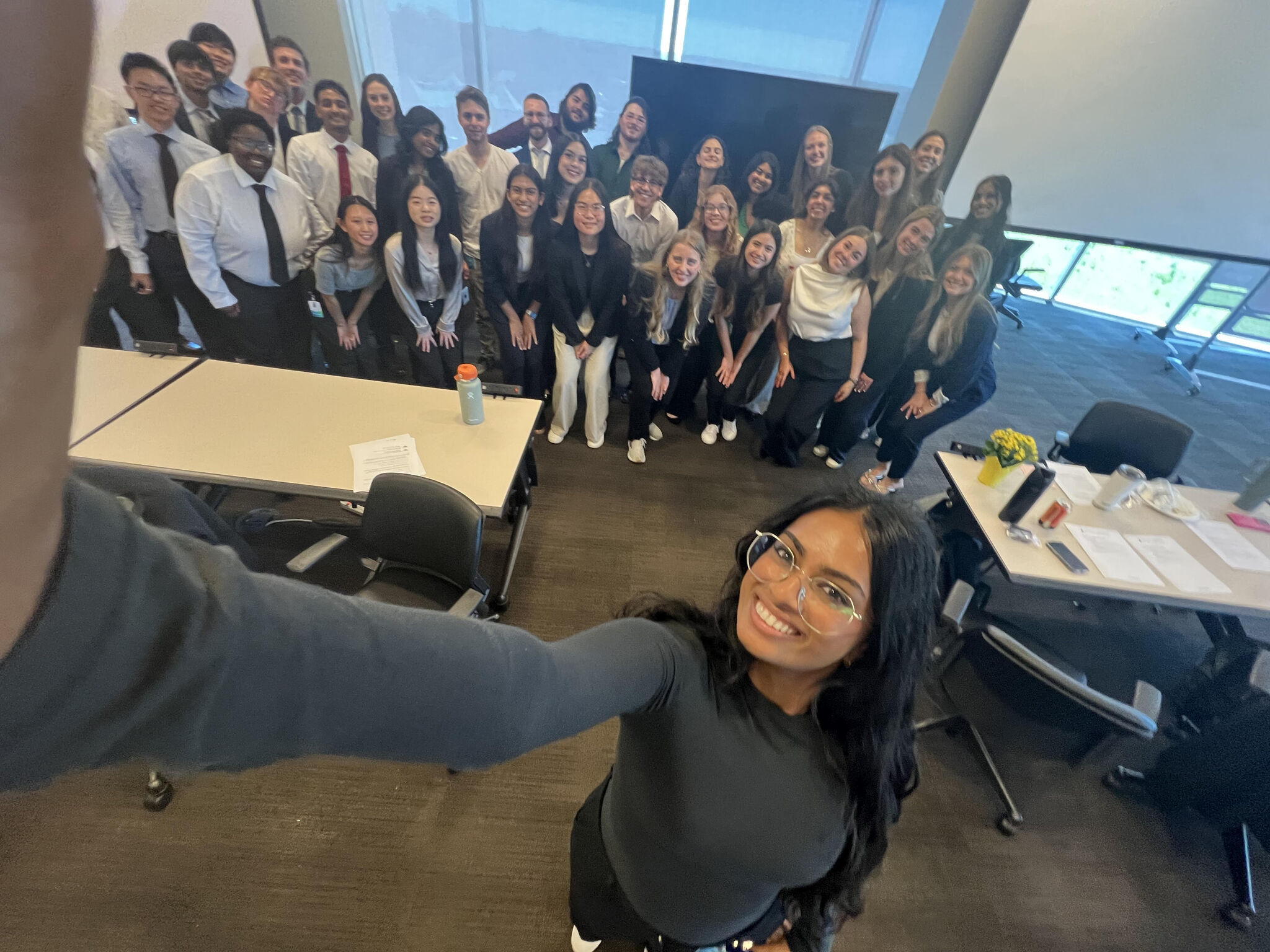
One of the biggest lessons I took from my internships was that growth happens in the uncomfortable moments. Real industry work doesn’t look like fast homework assignments or 24-hour hackathon projects. It’s iterative, confusing, frustrating, and incredibly rewarding.
I learned how to:
- break big problems into pieces
- ask better questions
- stay patient when nothing worked
- celebrate the small wins
- believe I belonged in the room
Most importantly, I learned that imposter syndrome doesn’t mean you’re unprepared, it just means you’re learning.
The Role WIC Played in My Journey
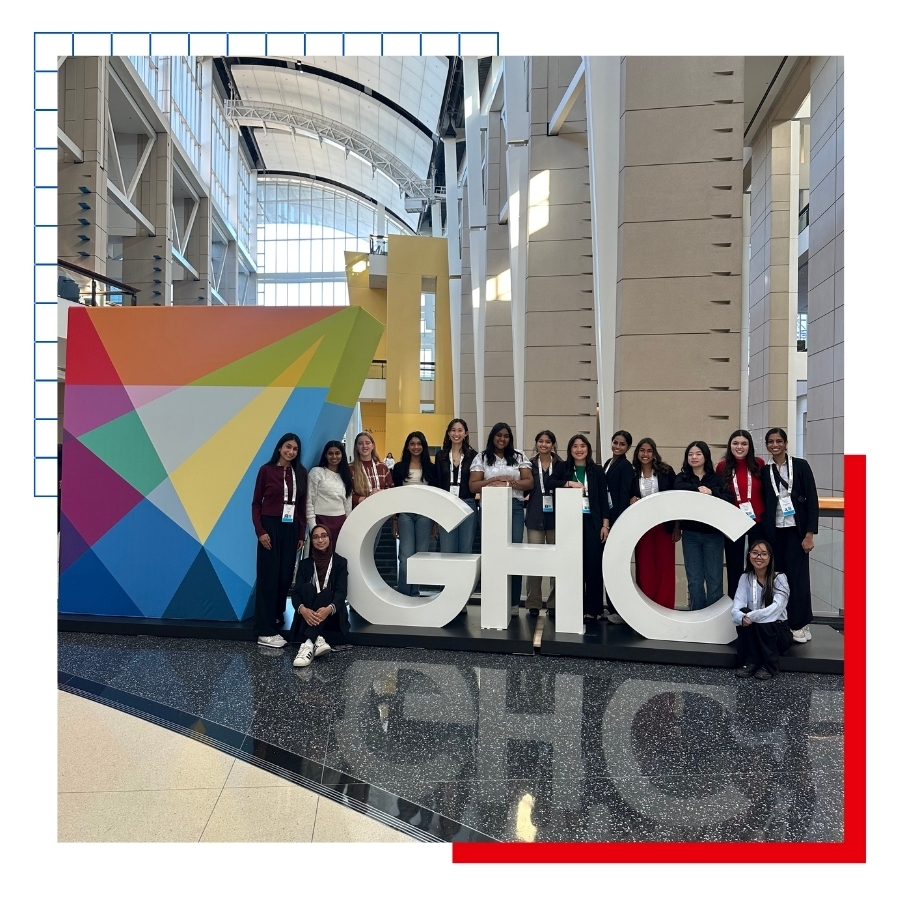
WIC [Women in Computing] was the place where everything else made sense. Through WIC, I built a strong network of friends, mentors, and upperclassmen who helped guide me. Later, serving as President taught me how to lead, organize events, and create opportunities for younger women in tech.
During my junior year, I balanced WIC presidency, SELF Outreach work, a part-time Netsmart role, Catalyst, and upper-level CS courses. It was a lot. But it was also one of the most meaningful years of my life.
WIC taught me how community strengthens confidence, and how much you can accomplish when you're surrounded by people who believe in you.
Where I’m Headed Next
Those experiences shaped how I see my future. They confirmed that tech is where I want to be, but they also opened my eyes to other parts of the industry, like product, strategy, and leadership.
My full-time job after graduation isn’t a software role, but everything I learned at Netsmart still influences how I think. I understand how systems work, how teams collaborate, and how technology impacts real people. KU gave me a foundation I’ll carry into every role I take.
What I Want Future Jayhawks to Know
If you’re starting your journey at KU, especially if you’re unsure of yourself, here’s what I want you to take away:
You don’t need to feel ready to start.
You just need to start.
Go to the career fair, even if you feel inexperienced.
Talk to recruiters, even if you think you won’t get an interview.
Join the clubs. Build relationships. Ask questions.
Most opportunities don’t come from “perfect timing.” They come from staying curious, showing up, and keeping doors open.
My full-time role came from a cold LinkedIn message I sent during my lunch break. I took notes, followed up, met a recruiter, heard “no openings right now,” stayed in contact… and eventually, that conversation turned into an offer.
Take the leap, even if the path isn’t clear yet.
Closing Thoughts
When I look back at the last four years, I’m grateful for every moment I felt overwhelmed, nervous, or uncertain. Those were the moments that ended up changing me the most. KU gave me space to grow, mentors who believed in me, and communities that helped me find my place in tech.
I didn’t arrive here knowing everything. But I learned, step by step, that I was capable of more than I ever realized.
And that’s what KU gave me: the confidence to build the future I want.