How KU Geography Brought Me to Latin America
From Kansas roots to fieldwork in the rainforests of Peru and Panama, Cap McLiney’s journey through KU Geography shows where curiosity and mentorship can lead. His story highlights what it’s like to pursue graduate studies in geography at the University of Kansas.
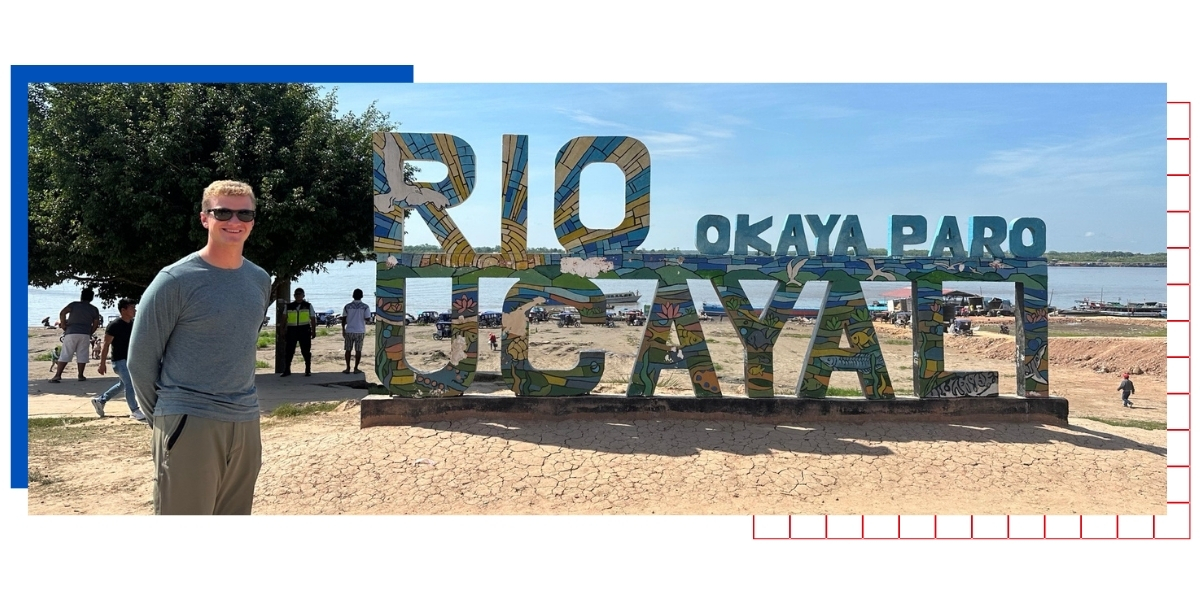
This student-submitted story comes from Cap McLiney, a graduate teaching assistant in the Department of Geography and Atmospheric Science at the University of Kansas. His academic path has taken him from Kansas to the rainforests of Peru and Panama, where he has conducted fieldwork focused on people, place, and environmental change.
At KU, geography graduate students build advanced research skills in GIS, remote sensing and social science methods while gaining hands-on teaching and international fieldwork experience.
After completing his master’s degree in geography at KU, Cap continued into the PhD in geography program, where he focuses on Latin American geography under faculty mentorship. His experience reflects how KU Geography supports students from master’s study through doctoral research.
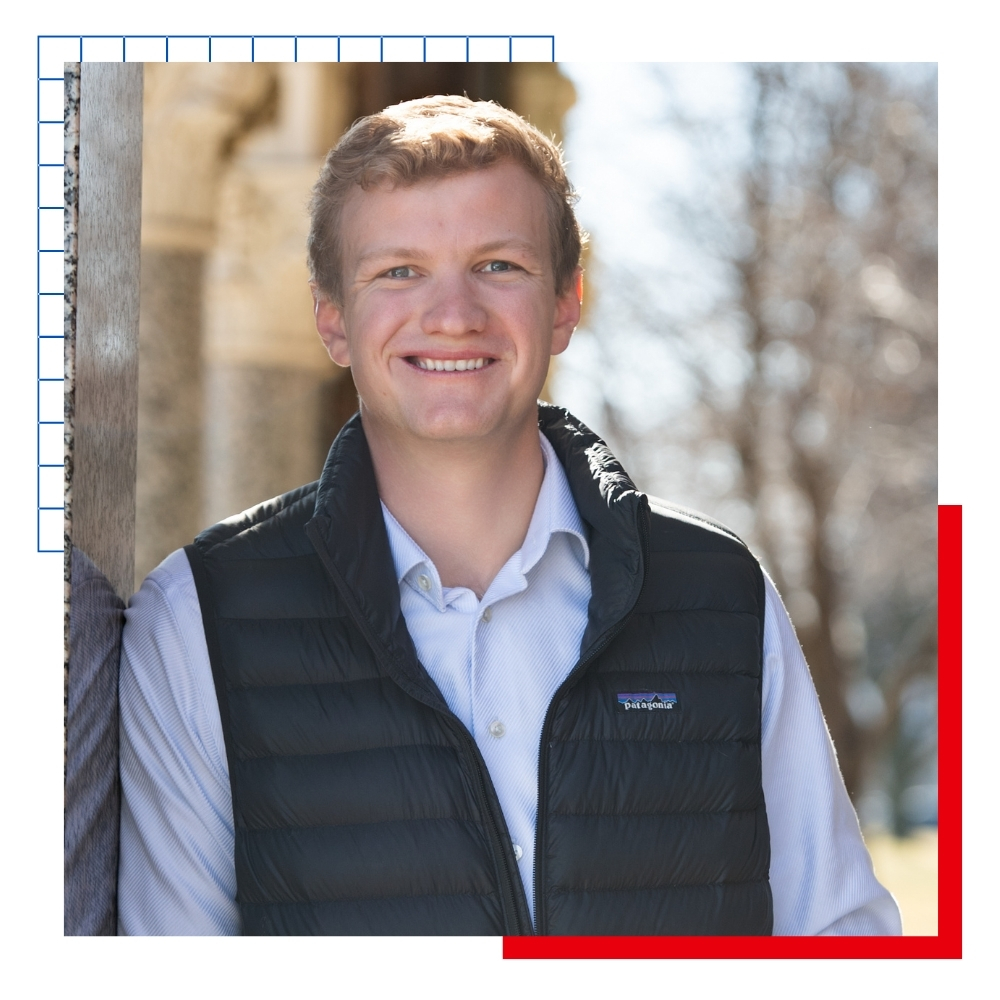
Cap’s journey through KU Geography
Hello, my name is Cap McLiney and I am proud to be a PhD student in the Department of Geography and Atmospheric Science here at the University of Kansas.
For my undergraduate degree, I double majored in Spanish and Art History with a Political Science minor at Wake Forest University in Winston-Salem, North Carolina. While at Wake, I enjoyed living for the first time somewhere other than my home state of Kansas, and I embraced the culture there.
I learned to play the banjo and came to appreciate the vinegar based, hickory-smoked barbecue they make in the eastern, mountainous parts of the Carolinas. But while in Winston-Salem, a part of me always was drawn back to my “home place,” as they often call it in bluegrass music.
How I chose KU Geography for my graduate studies
I was born during my parents’ final years at KU while they completed their undergraduate degrees in 2000. While at KU, my dad had taken a few geography courses from Professor Peter Herlihy. When I graduated from Wake Forest, my dad remembered Herlihy’s sincere enthusiasm for geography and authentic way of teaching which connects with students.
So, I reached out to him when I moved back to Kansas as I was looking to combine my Spanish language skills with some sort of real-world application. Little did I know that when I first met Professor Herlihy it would change my life.
He and I chatted in his office for a few hours the first time we met. We talked about the history and adventures surrounding the great rivers of South America and their dense rainforests, dynamic peoples, and rich cuisine. I had done a brief trip to Ecuador in high school and was in awe of the perspective Herlihy shared with me and the way he framed geography as a true synthesis of studying people and place.
I would later find out that he was informally interviewing me during this chat. Afterwards, he asked me to take a leap of faith with him into the world of geography.
What is the master’s in geography program like at KU?
I decided to apply to begin a master's degree with Professor Herlihy as my advisor. I was lucky to be accepted with the opportunity to be a graduate teaching assistant (GTA).
Since that first semester at KU, the faculty within the Department of Geography and Atmospheric Science has consistently made an academic home for me where I feel encouraged to be curious about the world through geography.
Faculty members I have studied with in our department have helped me to develop modern geographic research skills such as geographic information systems (GIS), remote sensing, and empirical social science techniques.
Combined with these cutting-edge research skills which help with the quantitative part of geography, there has also been a balanced emphasis on the qualitative, cultural-historical side of geography which emphasizes nuanced understandings of regional cultures, places, and traditions.
Having the privilege to be part of this department has been the defining factor in my studies here. The people and resources in the Department of Geography and Atmospheric Science are of the highest quality and have helped to direct me towards a successful professional life after graduation.
What kind of fieldwork do geography master’s students do?
During my MA, Professor Herlihy and others in the department encouraged me to go into the field to have an independent experience to collect data and write my thesis.
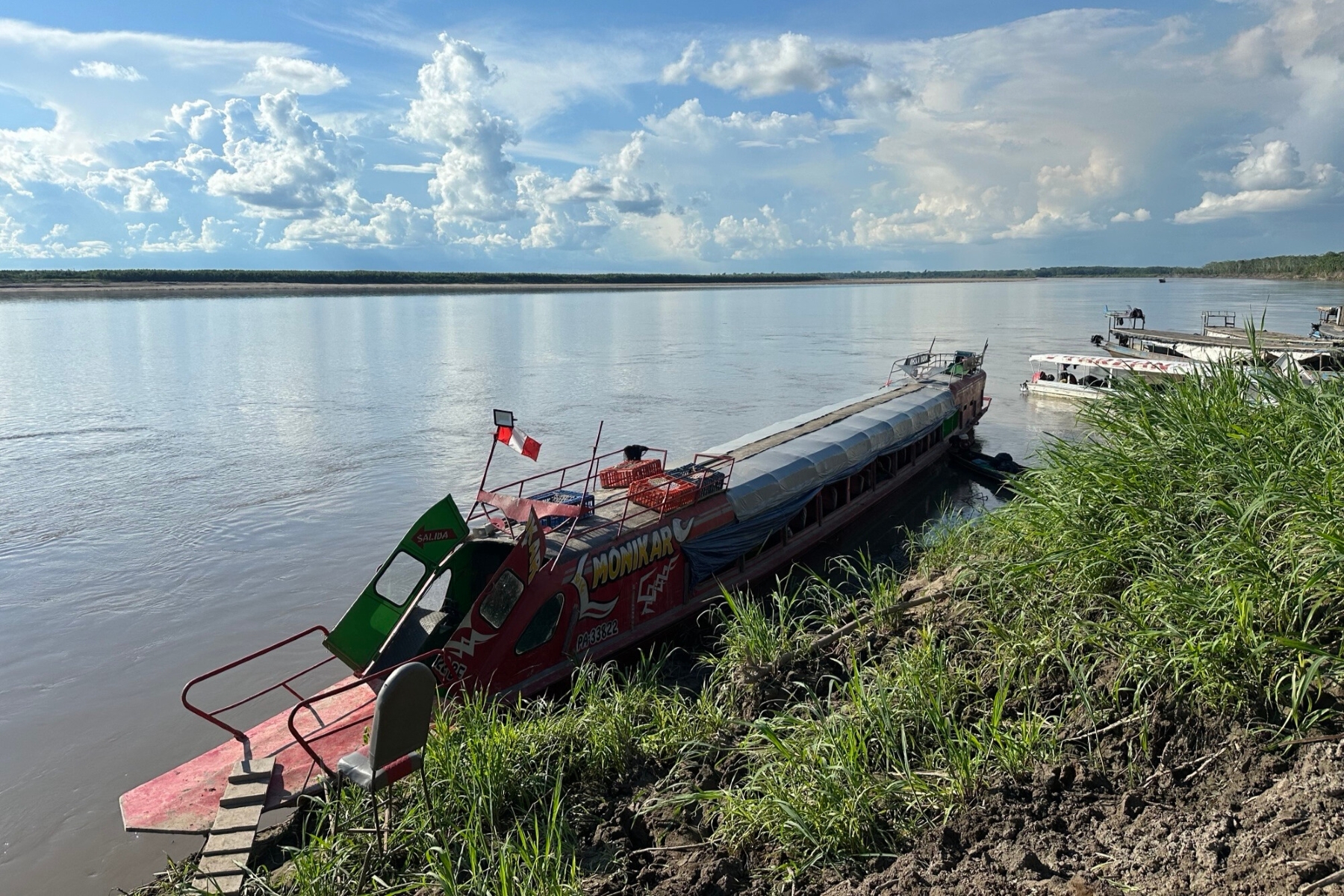
Through KU’s Center for Latin American and Caribbean Studies (CLACS), I applied for a Tinker Field Research Grant for which I was fortunate to receive funding. With those funds, I was enabled to travel to Peru for two months and dive into the real world- equipped with the geographic tools I had begun to learn at KU.
During that expedition, I focused on the topic of Mennonites in the Peruvian Amazon and found myself on a real adventure in and around Pucallpa, Peru on the mighty Ucayali River — a major tributary of the Amazon River.
The CLACS is a major research and social resource we have at KU which any potential graduate student thinking of applying to KU — regardless of their prospective discipline — should learn and read more about. Through the CLACS, I have had the chance to give multiple guest lectures in their weekly “Merienda” Lecture Series and connect with likeminded scholars across disciplines.
Similarly, I am also helping to reinvigorate the Latin American Graduate Organization (LAGO) associated with the Center with the hope of continuing to foster an interdisciplinary community of scholars.
Continuing into the KU PhD in Geography
This year has been my first at KU as a PhD student and I have started to enjoy riding my bike to class. Each time I peddle down Jayhawk Boulevard, a new detail stands out either on the beautiful buildings of our campus or on the smiling faces of the students passing from class to class.
It has been inspiring to learn how the emerging, positive details that come out of KU’s campus on my bike rides are metaphorically paralleled by the depth of the assistance available here. Each day, some degree of unexpected support or encouragement is made known to me here at KU.
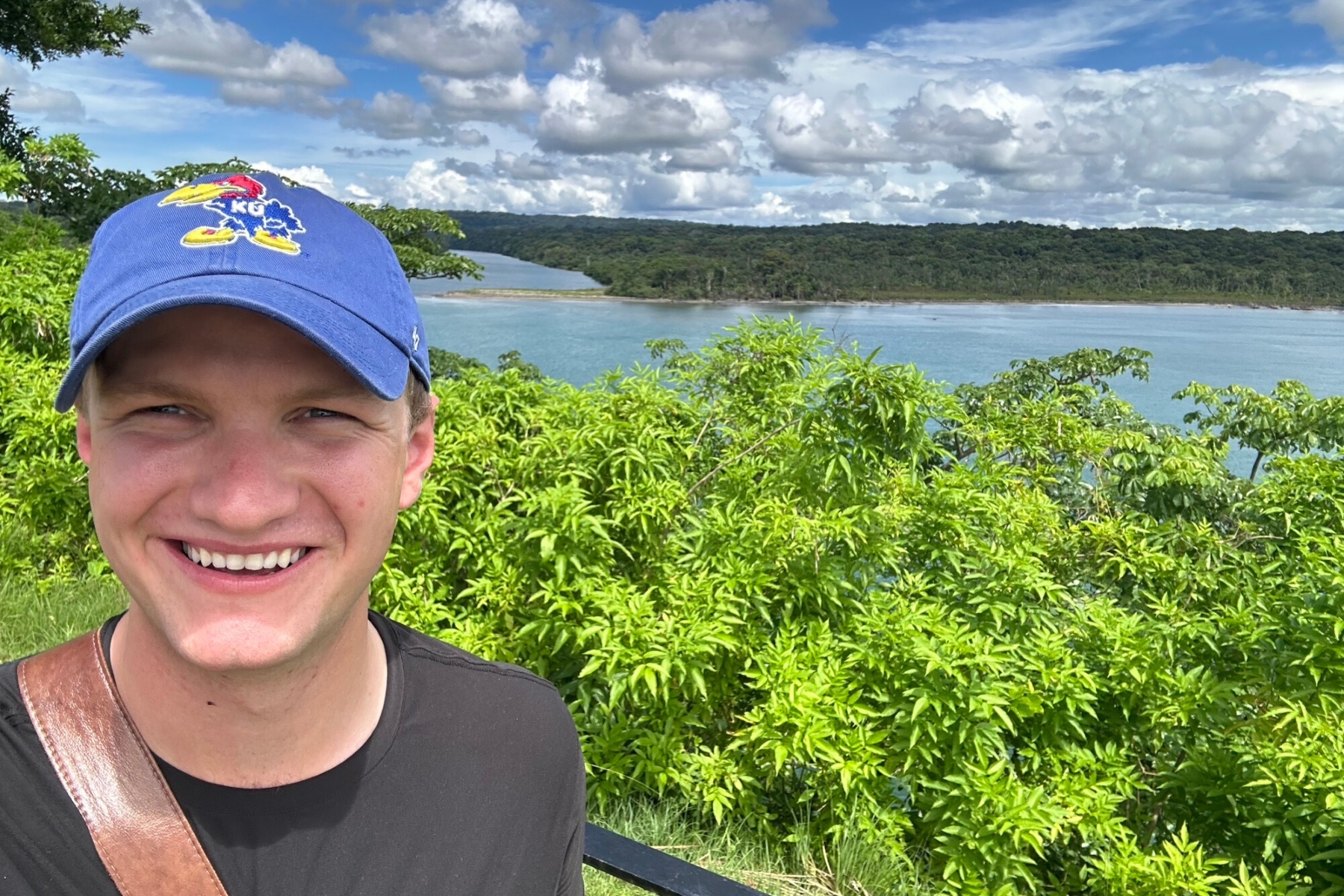
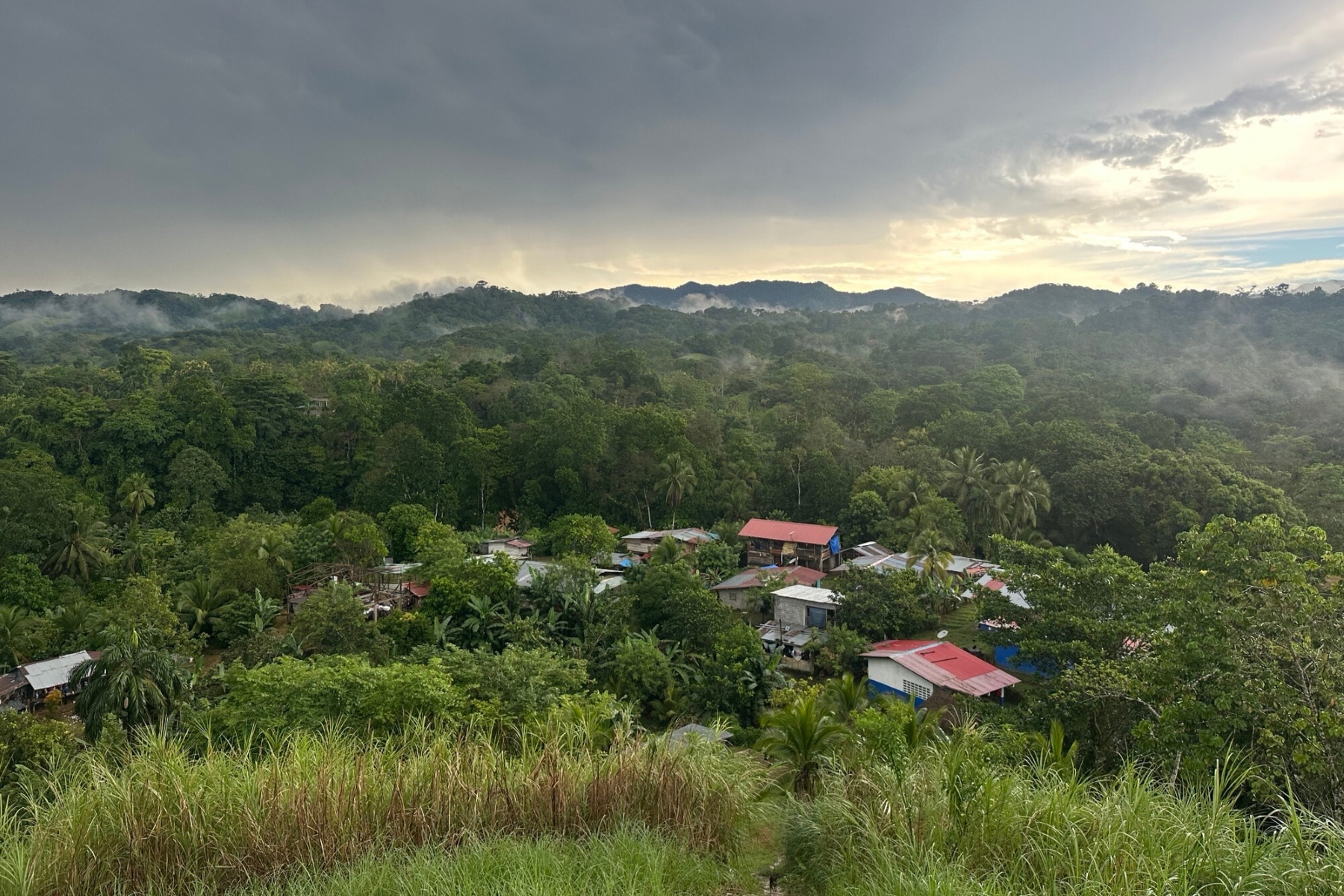
These resources have allowed me to follow my interests and connect with experts in their fields who are eager to help me further my goals. Since my MA, I have pivoted my studies from Peru to Panama with my research focusing now on the Panama Canal and nearby Chagres National Park which sustains the Canal with 40% of its fresh water.

Thanks again to the Center for Latin American and Caribbean Studies and the Tinker Foundation, Professor Herlihy, a team of KU geographers and I were able to travel to Panama last summer for an exploratory expedition.
Since then, we have pieced together a proposal for a larger research project in Panama for which I have been building a website to help us seek out funding and present our work to those outside of academia. It has been so exciting to see how this university can rally around research initiatives and bolster the creativity which draws myself and others to research.
Why Choose KU for a Geography Graduate Program?
I cannot overstate how especially grateful I am for the support of my advisor Peter Herlihy, the Department of Geography and Atmospheric Science and the Center for Latin American and Caribbean Studies.
Being a graduate student here at KU has revealed to me a degree of academic depth that I did not know we had here in Kansas. My whole life, I have always said that I am proud to be a Jayhawk. But now, thanks to the graduate experience here, I have a whole new understanding of what it is we have to be proud of here at KU.
For anyone considering graduate school here — especially in the humanities, social or natural sciences — KU is the place for you if you can:
- Be willing to take leaps of faith once in a while.
- Follow unexpected hunches or directions you might stumble upon.
- Take advantage of the host of opportunities and resources which are waiting for students to come, take the initiative, and build out a unique academic vision of their own.