How KU Architecture Helped Emily Almloff Become the Youngest Licensed Architect in America
Emily Almloff didn’t plan to break a record. She followed her curiosity, found support through her program’s community, and discovered a specialty in healthcare design that shaped her future.

Emily Almloff was looking for a place where she could learn through hands-on design, collaborate with creative classmates, and discover the areas of architecture that inspired her most. KU Architecture gave her those opportunities. Recently, she was named the youngest licensed architect in the U.S. at just 22 years old.
Her journey was built on support, community, and faculty who helped her shape curiosity into real professional experience. She turned any moments of uncertainty into a spark that fueled her.
“I enjoyed that feeling, walking in and knowing this is new, this is different, and this is not what I am used to, but I can learn,” said Emily.
A Supportive Culture at the KU School of Architecture and Design
Today, Emily works in healthcare architecture and designs spaces that make patients, families, and medical staff feel safe and supported. Her story shows future Jayhawks how KU Architecture helps students explore their interests and enter the profession with strong experience, confidence, and direction.
We spoke with Emily about her journey to KU, what she learned in the program, and how her incredible accomplishment came to be. Along the way, she earned both a Master of Architecture and a Master of Construction Management, proving that curiosity and support can lead to remarkable outcomes.

Q: When did you first decide to become an architect, and what influenced that decision?
A: I decided to study architecture in kind of a funny way. I was supposed to take a junior college international relations class, but it didn’t work out. I saw another class that said you could draw on the syllabus, and I was like, okay, I’ll take that — and I ended up loving it. I know it sounds like I accidentally just stumbled into it, but it’s kind of true. I think a lot of people find their careers that way.
Q: Why did you choose KU over other architecture programs?
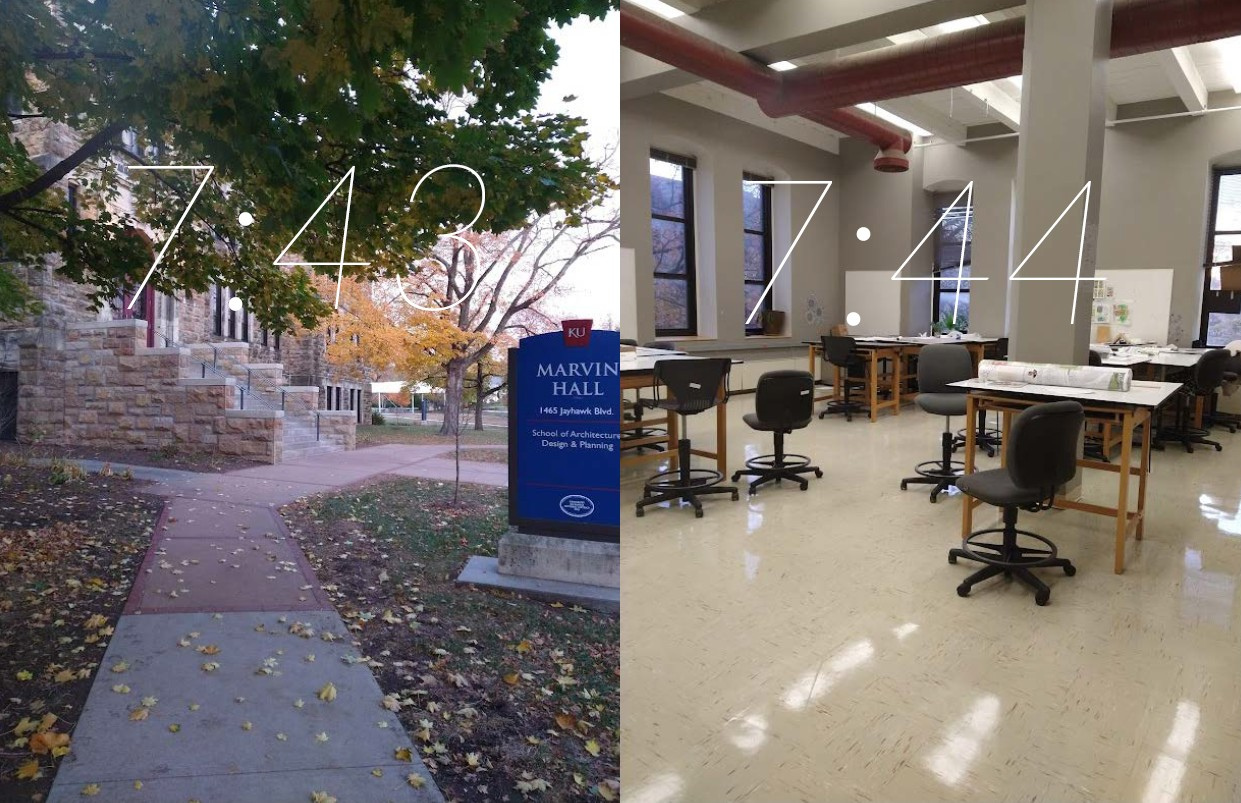
A: When I was choosing between schools, I looked at only the accredited programs nearby. Accreditation was important to me, and KU stood out because of how welcoming the culture felt.
Mike Swann, who has since retired, really sold me on the program when I toured. He talked about the close-knit community, and I could tell it was true. KU is also more design-focused compared to some other schools that are more technical, and that really appealed to me.
Q: How did you become the youngest licensed architect? What steps did you take to accomplish that?
A: I took dual credit classes in high school, which helped because I was able to finish the first year of architecture school before coming to KU. I had the credits of a sophomore student, even though I entered as a freshman. The transfer process was pretty seamless, which was nice because I didn’t really know what to expect with those credits.
Q: That’s amazing that you felt so supported in that accelerated pace. What else helped with the process?
A: I went to JUCO for some community college hours and did a lot of early planning to get my internship hours done once I got to KU. Professors helped with that, and there were a lot of resources. I wanted to get all the tests done while everything was still fresh in my mind.
NCARB has been pushing licensure to take less time, because people used to sometimes spend eight years or more before becoming architects. Now you can start your internship hours while still in school, which helps you move through faster.
Q: How did your internship experience prepare you for your current work?
A: The internship programs at KU, especially with the fifth-year options, really help you find your specialty. I didn’t know much about healthcare architecture before KU, but I took classes with professors like Kent Spreckelmeyer and Frank Zilm.
Those classes got me interested, and the program also helped us connect with firms and go through interviews. They even send your portfolio out for you, which is amazing. Having that internship in healthcare architecture made me realize what kind of work I wanted to do after graduation.
Q: Was there a particular class that stood out to you, as far as envisioning yourself in your career?
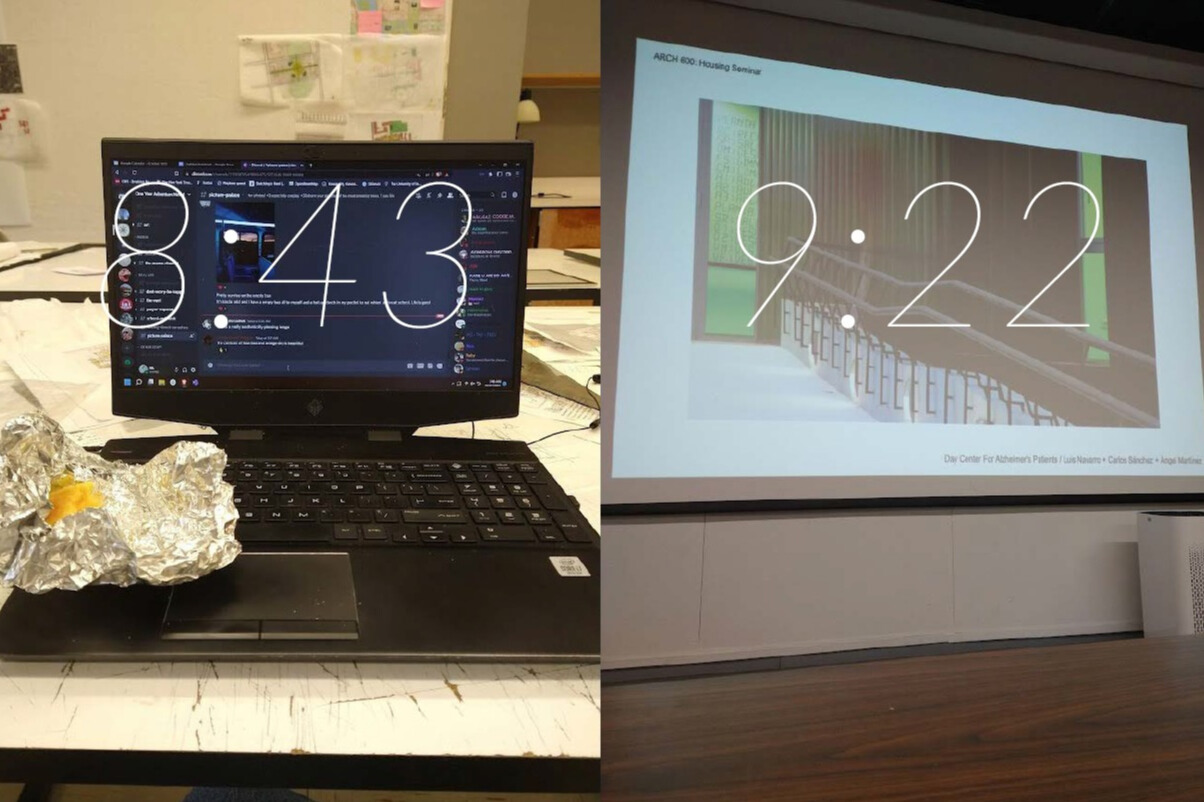
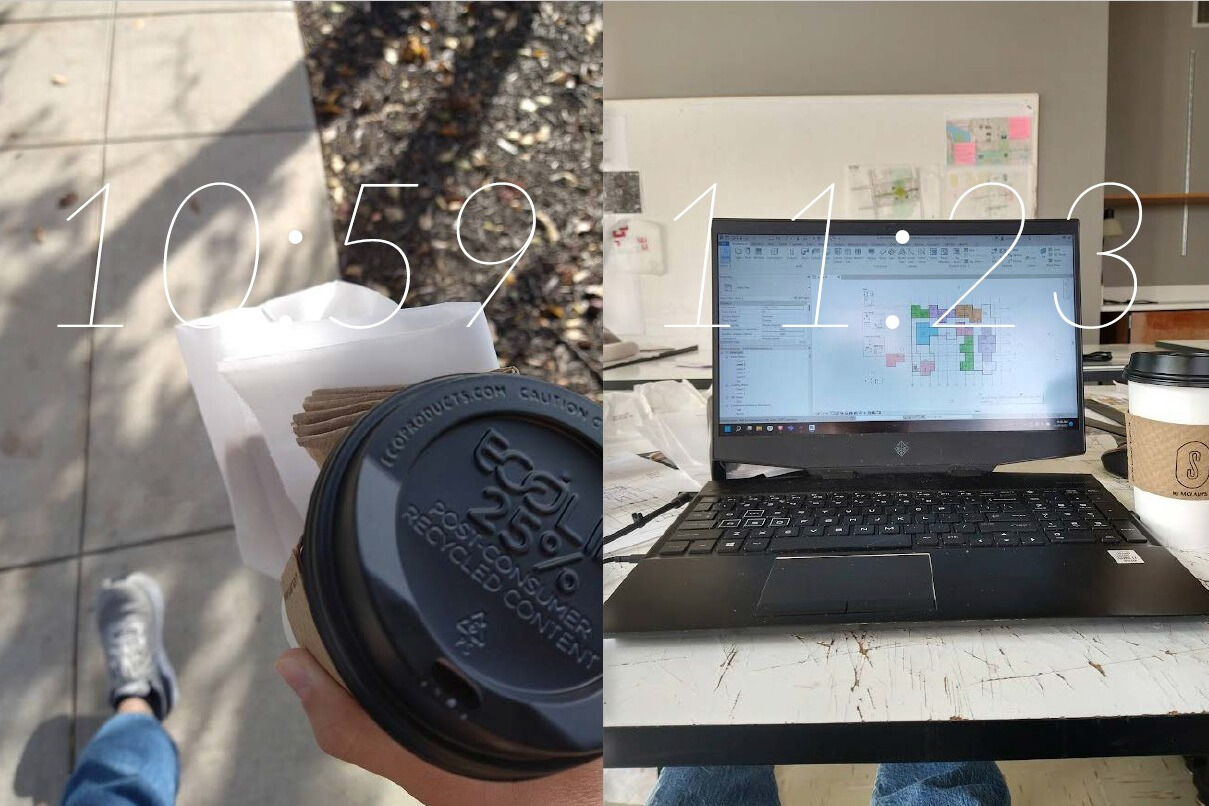
A: I feel like a lot of the studios in the program gave me such a good feel for things. I liked that I could do hands-on stuff, and it was more collaborative, and I could draw and use my creative skills in a way that is also solving problems. All of the studios really made an impact.
Q: How did you participate in the fifth-year program?
A: For the five-year master’s program, there are a variety of directions we can go. For my fifth year, I chose the healthcare track. There were several options — Studio 804, housing, urban design, sports architecture, and the abroad program.
Q: Did you get to do a study abroad trip?
A: I did study abroad over winter break in Costa Rica, which was great. The architecture department leads its own trips, so you go with professors and classmates you already know. We got to learn about sustainability processes and meet with architecture firms there. There are trips to Asia, Europe, Scandinavia, and even Austria or Turkey, so there’s a lot of options.
Q: How would you describe the culture and community within the School of Architecture?
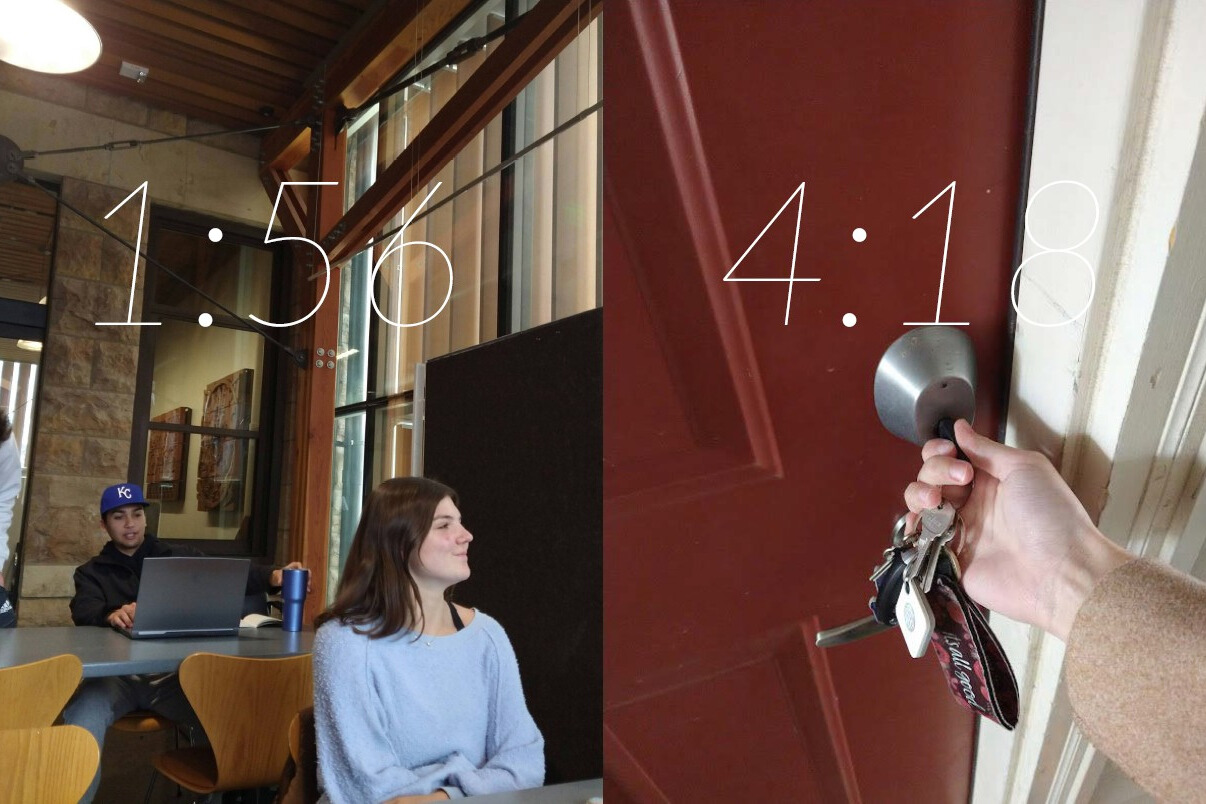
A: All the students at KU were really supportive of one another. When you’re in studio together, you spend so much time there that you become very close. Everyone helps each other. It’s a tight-knit community because the architecture school is relatively small — around 100 people per year — and there are only so many professors, so you get to know them all and what they teach.
Q: Was there anything specific in your preparation that helped you succeed on your licensing tests?
A: A lot of the classes prepared me for the licensing tests. Some courses, like environmental systems and structures, covered content that came up on the exams. I still had to learn plenty on my own, but it was great not to have to relearn the fundamentals. Sometimes I’d take a practice test and realize, “Oh yeah, we talked about that in class.”
Everyone goes at their own pace with licensure. I tend to hyper-focus, so I studied five hours a day after work until I finished, but that’s not for everyone. Honestly, school was harder than the tests. They make the process seem intimidating, but it’s not as scary once you’re in it. Breaking it into smaller pieces makes it manageable. The KU architecture program prepares you well, and I personally think it’s easier to take the exams soon after school while everything’s fresh and you still have access to professors and resources.
Q: At what point did you realize you might be the youngest person taking the licensing tests?
A: I first heard about the idea of becoming the youngest licensed architect when someone came to speak to our Women in Design group. She held that title, and I thought it was interesting. I didn’t set out specifically to break that record, but it motivated me to stay focused and finish the tests.
Q: Can you explain the Women in Design club and your involvement?
Women in Design is an interdisciplinary club that brings together people from architecture, engineering, and the arts to support women in design fields. I helped restart it after the pandemic. There are other great architecture organizations too, like AIAS (The American Institute of Architecture Students) and NOMAS (National Organization of Minority Architects), which supports minority architects but is open to everyone.

Q: Can you describe your current work as a healthcare architect?
A: I recently started a new job in healthcare architecture. Before this, I worked in rural healthcare systems, and now I’ve transitioned to a firm that designs for larger systems like Children’s Mercy and KU Med.
Healthcare architecture focuses on creating efficient, supportive environments for patients, families, and healthcare staff. You want nurses and doctors to have the flow they need while helping patients and families feel at ease. It’s very research-based and relies on evidence-based design, which draws from healthcare research and patient feedback. That’s what makes it exciting and constantly evolving.
Q: What advice would you give to future students entering the architecture program?
A: For future students, I’d recommend talking to current students or professors, and shadowing an architect if you can. Shadowing early on helps because it gives you a sense of what the real work looks like day to day. And don’t let the idea of math and science requirements scare you off — you don’t need calculus. I’m not great at math, and it’s totally fine.
Q: Do you feel like you got the full KU experience, as a student who worked at a more accelerated pace?
A: I definitely got the full KU experience, even though architecture kind of has its own culture. Your classmates become your closest friends because you spend so much time together in the studio.
It’s a mix of work and fun. You’re up late, working on projects, watching movies, talking. It’s both your school and social life, and I still keep in touch with those people today.
Q: What are your goals for the future, especially after such a cool accomplishment already?
A: I want to continue using healthcare architecture to create spaces where people feel comfortable and cared for — where families can visit, and staff can do their work efficiently. I want patients to feel like they can rest and recover without thinking about how the space functions. That’s the dream of every healthcare architect, I think, but I want to keep working toward it.